Runoff reaches the lower wall
Water crosses a sloped yard and gathers at the foundation. Southern bluff-side lots send runoff toward particular wall sections. We inspect the grade and downspout route before choosing the wall repair.
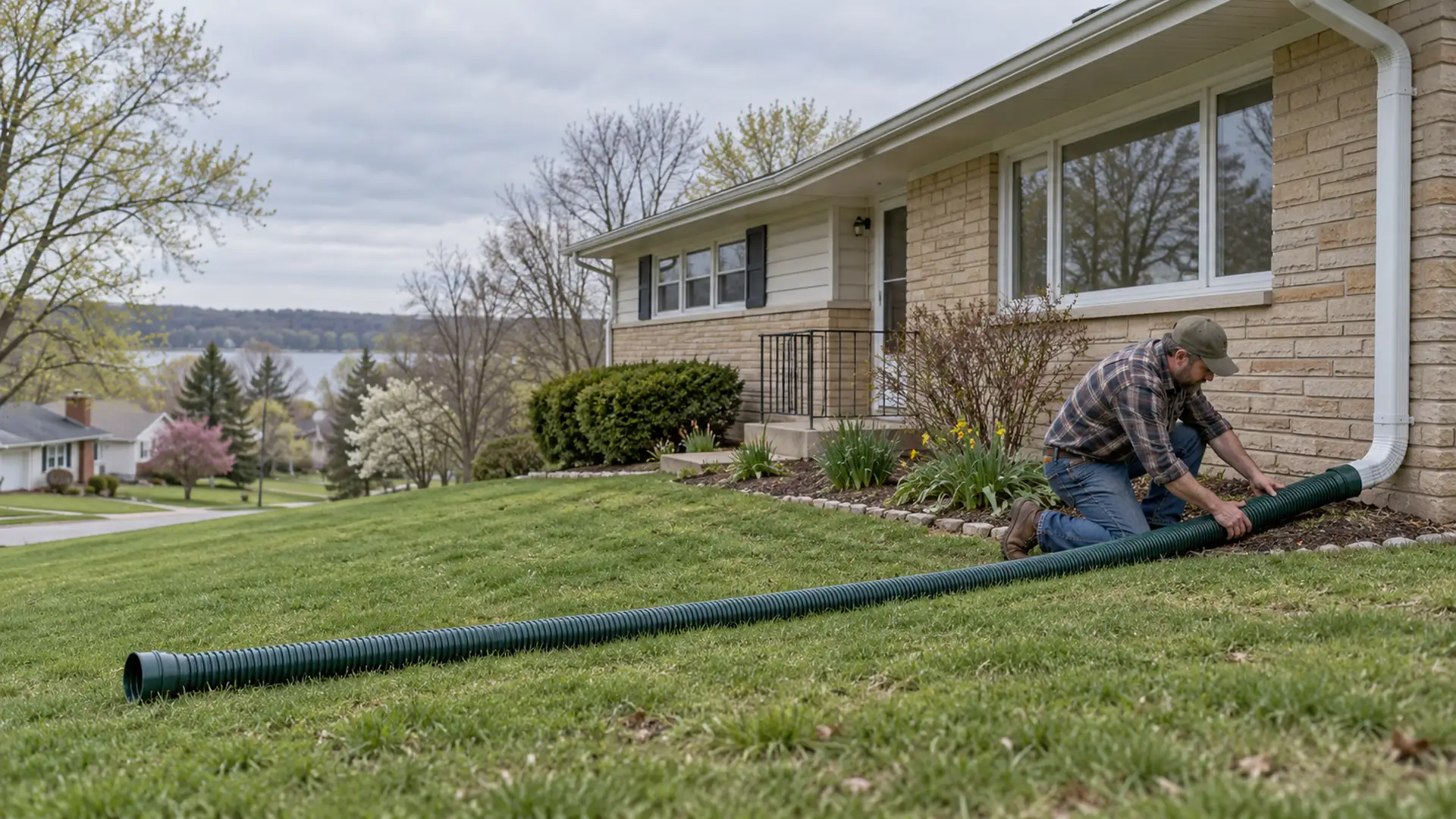
On a bluff-side lot, runoff reaches the foundation before it spreads across the rest of the yard. Bloomington’s ramblers also bring aging floor-wall seams into a wet-basement call. We compare the outside slope, wall opening, and collection route before proposing repairs.
Call (612) 457-0860Water crosses a sloped yard and gathers at the foundation. Southern bluff-side lots send runoff toward particular wall sections. We inspect the grade and downspout route before choosing the wall repair.
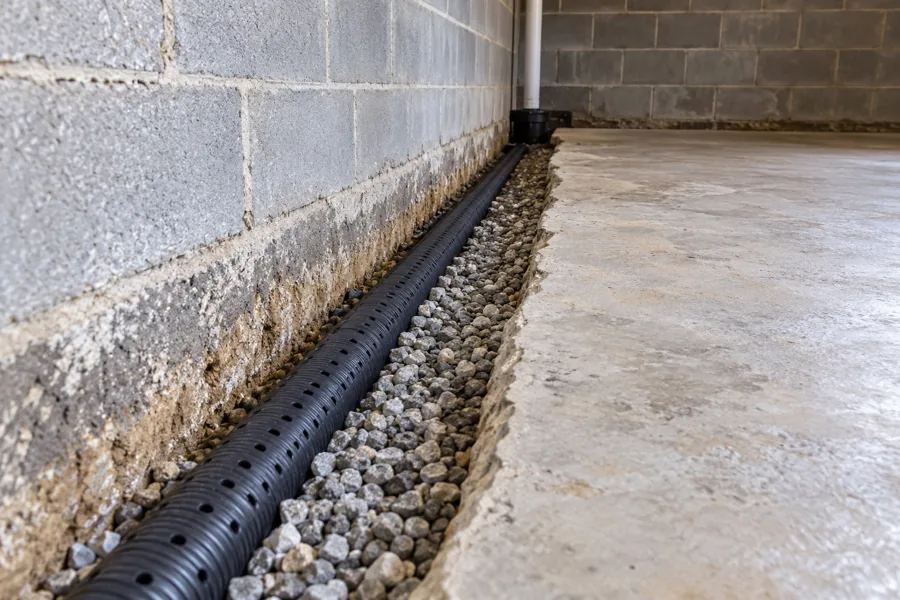
The cove joint darkens behind stored boxes after water reaches the footing. Many local homes are ramblers from the 1950s and 1960s. Perimeter collection gives that seam a route toward the sump.
An inspection finds groundwater going into an indoor sanitary drain. The city’s time-of-sale program brings that connection to utilities staff. We explain the outside discharge repair without replacing the city’s process.
Many houses here date from the 1950s and 1960s, including ramblers with older basement edges. The Minnesota River bluffs shape southern lots, while ground elsewhere is flatter. Nine Mile Creek is another nearby water feature.
For damp floor seams, wet basement repair in Bloomington follows the cove joint before the room gets opened. A crack in the wall needs a different seal from collection beneath the floor. We explain which finish needs removal to reach each repair.
The city’s Time-of-Sale Housing Inspection Program reports illegal sump connections to utilities staff. Staff then works with the owner to remove that sanitary-sewer connection. Confirm the current process with the city before arranging related work. We plan the outside discharge repair as a separate basement task.
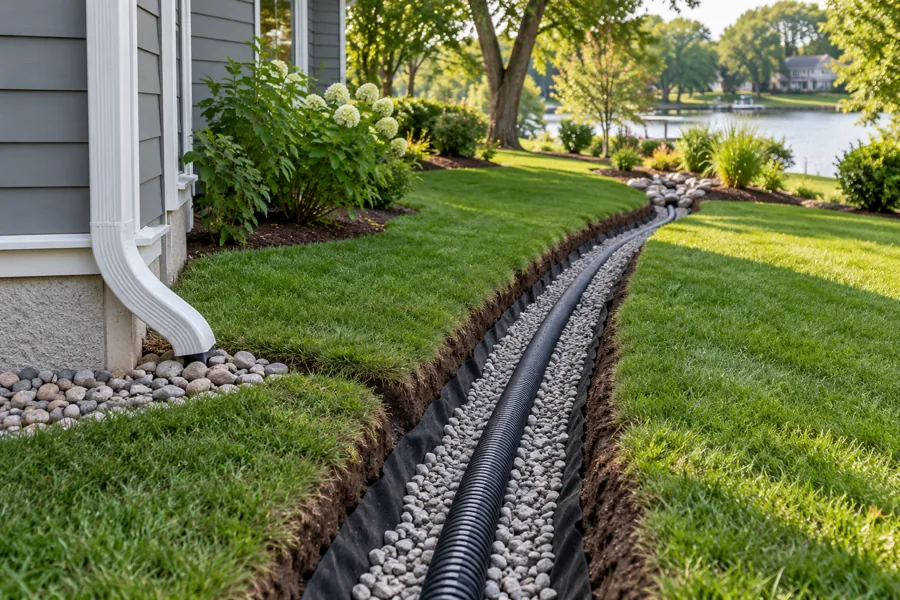
We follow each downspout extension before changing soil beside the foundation. Runoff drainage moves roof water away from the buried wall instead of feeding the wet edge. Rambler basement leaks need the older floor-wall seam checked alongside nearby pipe openings.
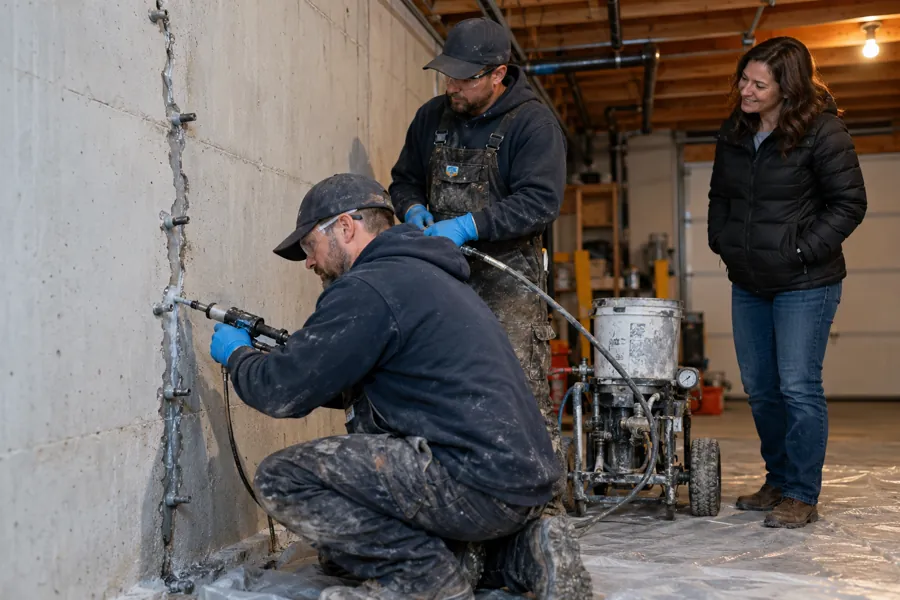
Where a defined line leaks, foundation crack repair in Bloomington closes that entry through the wall. Damp block joints need materials and collection suited to the masonry. We inspect previous patching before another coat hides the route. A horizontal crack or bowing needs structural review before leak sealing is selected.
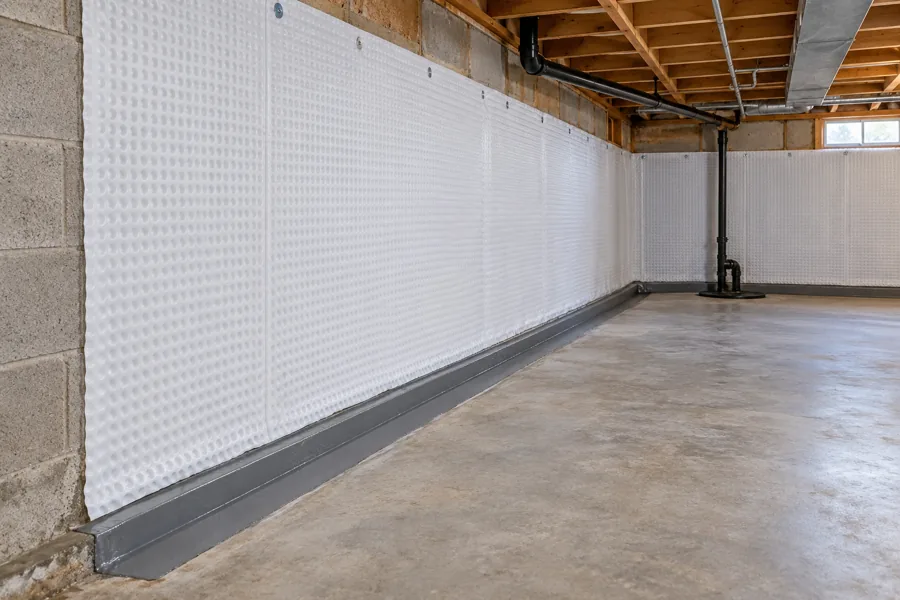
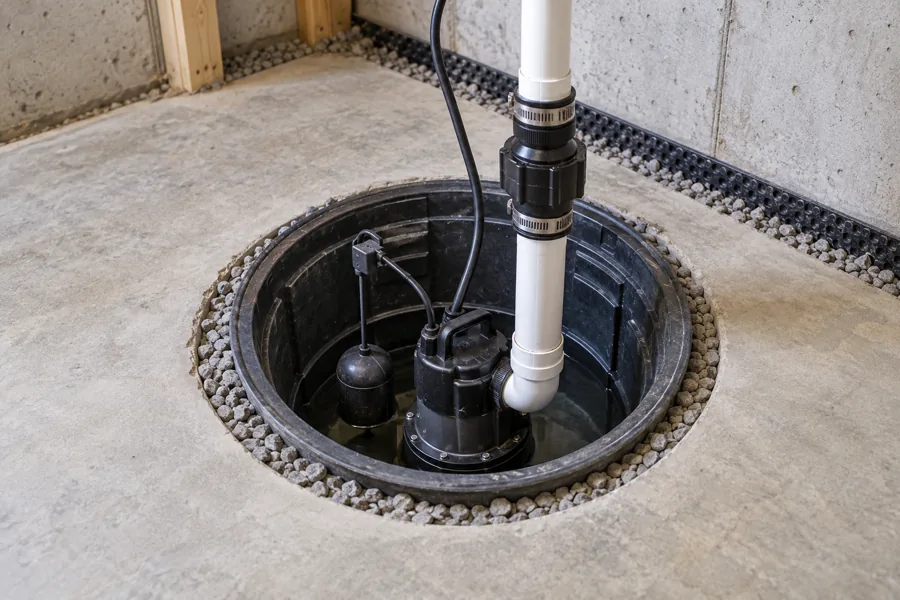
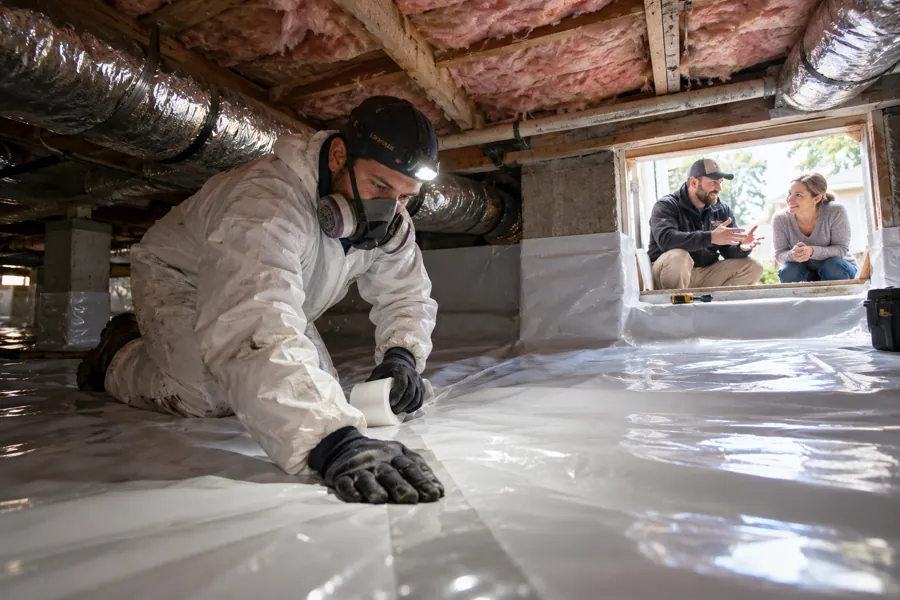
Perimeter drain tile receives water beside the floor-wall seam and sends it into the basin. Finished flooring needs a planned opening before that edge is cut. We show the selected walls and explain concrete patching before work starts. A collector does not finish its job until the pump can move that water outside.
A basin that stays full brings sump pump repair in Bloomington into the collection plan. The float, intake, and check valve need to pass a full cycle. Outside discharge must reach ground or another approved outlet beyond returning runoff. Sump pumps should not send groundwater into the sanitary sewer anywhere in the metro.
In winter, note whether exposed discharge remains open after the sump starts inside the rambler basement.
At late March–April thaw, follow meltwater across the bluff-side slope before it reaches the lower foundation wall.
During summer storms, photograph where a downspout extension sends water beyond the pipe’s visible end.
In fall, leave the cove joint visible behind storage so the first returning damp edge is not hidden.
| Service | Typical Range | What Changes the Price |
|---|---|---|
| Foundation crack injection | $400–$1,000 per crack | Crack length, wall type, access |
| Interior drain tile | $70–$120 per linear foot | Floor removal, finished walls, number of walls |
| Sump pump installation | $1,200–$2,500 | New basin vs. replacement, discharge line work |
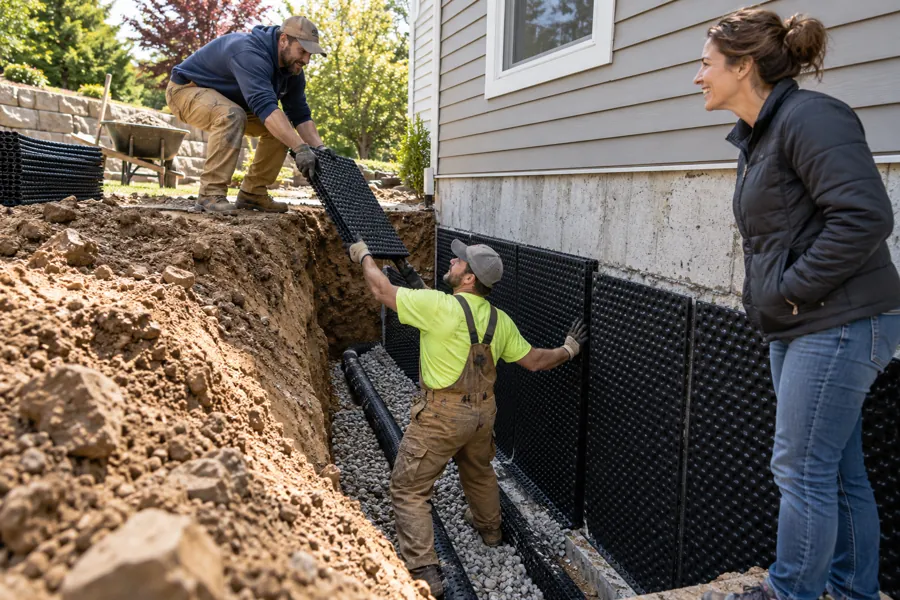
| Exterior excavation waterproofing | $15,000–$35,000+ | Depth, landscaping, decks or driveways in the way |
The city’s inspection program notifies utilities staff when an illegal sump connection is found. Staff works with the owner to remove that sanitary-sewer route. We explain the outside pipe work needed for the basement separately from that process. Confirm current city instructions before arranging inspections or assuming a repair plan completes the municipal requirements.
Show the water route above the basement wall and where downspout extensions end. A wider view includes paving and ground that direct runoff toward the house. We compare those outside pictures with the first wet mark indoors. That links grading or outlet changes to any wall opening still needing sealing after the runoff is redirected.
The cove joint sits where the basement slab meets the foundation wall. Water beside or beneath that edge needs a collection route rather than more surface sealant. We inspect the perimeter connection and the sump outlet together. The written plan explains how the wet seam reaches a drain before the concrete strip is patched.
The water needs to land beyond ground that carries it toward the same wall. We follow the slope after the extension instead of measuring only the pipe length. A crushed joint also interrupts roof runoff before it leaves. The plan shows the receiving destination and any grading needed along that route beside the house.
Older rambler block walls leak at lower joints and pipe penetrations.
Hilly clay-rich lots bring runoff toward wet downhill basement walls.
Broad masonry moisture needs wall treatment connected to a lower collection edge.
A perimeter pipe moves cove joint water into the receiving sump basin.
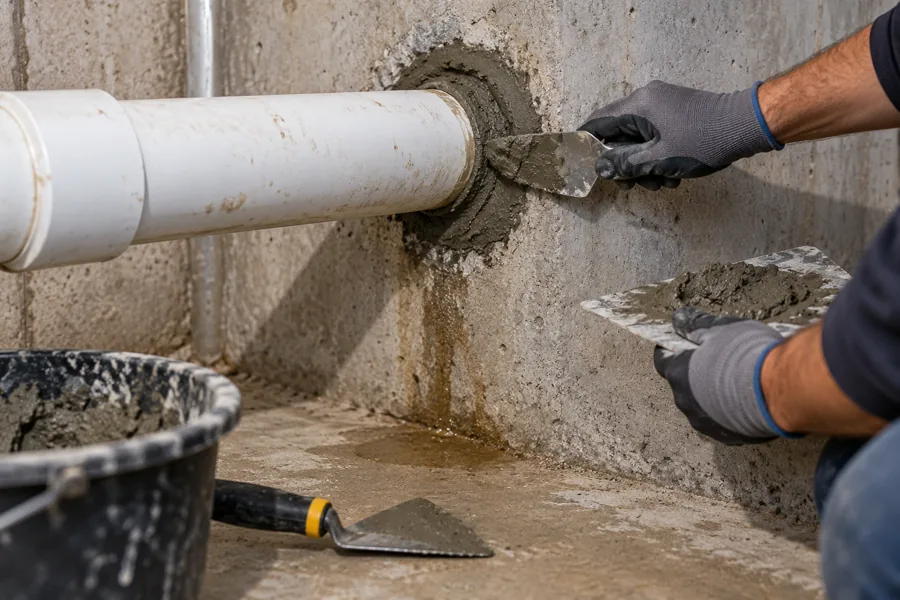
A leaking penetration receives sealing separate from an overloaded floor collector.
Tell us whether runoff, the floor seam, or the sump connection starts the problem. We will discuss those routes as separate parts of the repair.
Minneapolis PureSeal
Minneapolis and surrounding area
contact@waterproofingminneapolis.comMonday through Friday, 8:00 AM to 5:00 PM
Emergency calls: available 24/7