
Sump Pump Installation & Repair
The sump moves collected groundwater through the outside discharge line.
A wet seam running along several walls points toward water beneath the slab. Minneapolis PureSeal uses interior drain tile installation to collect that water and carry it into a sump basin. We connect the wall edge, pipe, basin, and outside discharge into one working route.
Call (612) 457-0860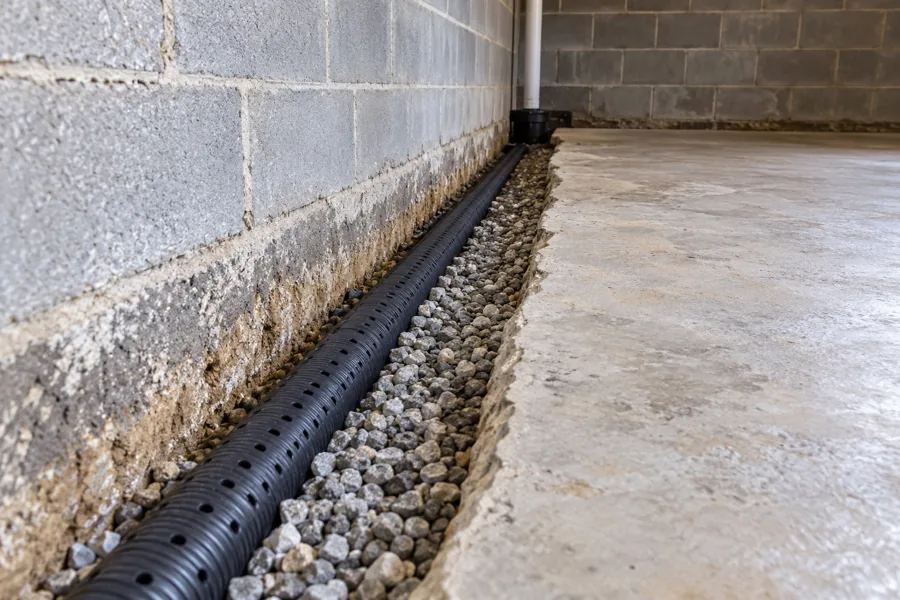
Interior drainage system installation gives groundwater a route beneath the floor edge. The pipe does not make a leaking wall disappear by itself. We connect each wet wall section to collection and check the sump outlet. Those connections matter as much as the length of pipe beneath the slab.
We remove a narrow strip of concrete beside the selected foundation walls. Floor protection and access through the house get discussed before cutting starts. The opening exposes the edge where water needs collection.
Washed gravel supports the pipe and leaves space for groundwater to enter. We lay the pipe along the planned route toward the basin. Corners and utility crossings get fitted without losing that collection path.
Water inside block cores or behind a membrane needs an entry into the drain. We fit that wall edge before closing the floor strip. A gap in the connection leaves moisture outside the collection system.
The drain delivers collected water into a basin with a working float switch. We inspect the pump and check valve before relying on that outlet. The basin lid remains accessible after the floor gets patched.
The pump moves water through a discharge line to the approved outside outlet. We run the system and check connections before finishing the floor. Returning discharge gets rerouted away from the foundation rather than fed back into the drain.
Minneapolis spring melt collects above frozen soil before deeper ground drains. Pressure beside and beneath the footing pushes water through the cove joint. That seam connects the wall and slab without forming one solid pour. We follow the wet edge to choose the walls needing collection.
Cove joint seepage sometimes appears days after snow starts melting. The yard looks clear while water remains beside the buried foundation. A perimeter pipe collects that groundwater instead of leaving surface sealant to resist it. We explain how wall drainage reaches the new pipe along each selected section.
Sump and drain tile discharge must stay out of the sanitary sewer. The outlet goes to the yard or another approved discharge point. We trace that route before connecting new collection pipe to an old basin. A blocked outside line would leave the new drain without a working exit.
Older homes sometimes retain original clay tile beneath or beside the floor edge. Silt fills joints, roots enter openings, and separated pieces interrupt the route. We inspect what is accessible and compare those breaks with the wet walls. One exposed break tells a different story from repeated blockages along several sections.
A localized repair makes sense when the remaining line still carries water. Widespread clogged clay tile calls for replacement along the affected perimeter. We explain which old sections remain and how new pipe connects to the basin. The plan should not rely on a hidden section that repeatedly backs up.
Foundation drainage repair also includes the pump and wall connection above the tile. Ask where future cleaning or inspection access will remain after patching. A finished floor should not hide every connection the system will need. We show the pipe route before covering it with gravel and concrete.
| Service | Typical Range | What Changes the Price |
|---|---|---|
| Interior drain tile | $70–$120 per linear foot | Floor removal, finished walls, number of walls |
The measured wall length sets the starting point for the written price. Finished rooms add access work before the floor edge is exposed. We list the selected walls, concrete removal, pipe, gravel, and floor patching. Any basin or discharge changes get named separately rather than hidden in the footage.
We choose the collection length from the wet edges and existing drain route. One leaking section does not automatically require opening the entire basement floor. The visit also follows block cores and any existing wall membrane. Your written plan shows the selected walls and explains how the pipe reaches the basin.
We cover the installed pipe with gravel and patch the opened concrete strip. Before that patch goes down, we inspect wall connections and the basin entry. The written plan explains the floor work and any access points left visible. Finished flooring above the patch needs its own restoration details agreed before work begins.
Water inside block cores needs a connection into the perimeter collection edge. We inspect the lower wall and fit that entry before patching the floor. A pipe beneath the slab alone does not explain every wall connection. Ask us to show how the wet blocks will drain into the new system.
The existing pump needs testing before new collection pipe relies on it. We run the float switch, inspect the check valve, and trace the outside outlet. A working pump stays in the discussion rather than being replaced automatically. If it falls behind incoming water, the written plan explains the equipment change separately.
An isolated wet crack in an otherwise dry wall points toward foundation crack repair. A window well filling above its sill needs window well drainage outside. We inspect those openings before cutting an indoor trench. Drain tile belongs where groundwater needs a collection route beneath the floor.
We install perimeter drainage in the south and first-ring communities below. Tell us how many floor edges become wet and where the sump sits. Photos of finished walls show which rooms need access planning. The visit follows the wet perimeter instead of assuming every wall needs opening.
Describe the wet floor edges and the pump that serves your basement. We will discuss access, collection, and the outside discharge route together. Your written plan explains which walls get opened and where the water will leave.
Minneapolis PureSeal
Minneapolis and surrounding area
contact@waterproofingminneapolis.comMonday through Friday, 8:00 AM to 5:00 PM
Emergency calls: available 24/7