The downhill wall leaks first
A damp line appears on the exposed lower side of the house. Rolling ground directs runoff toward particular wall sections. We compare the slope, downspouts, and concrete opening before choosing the repair.
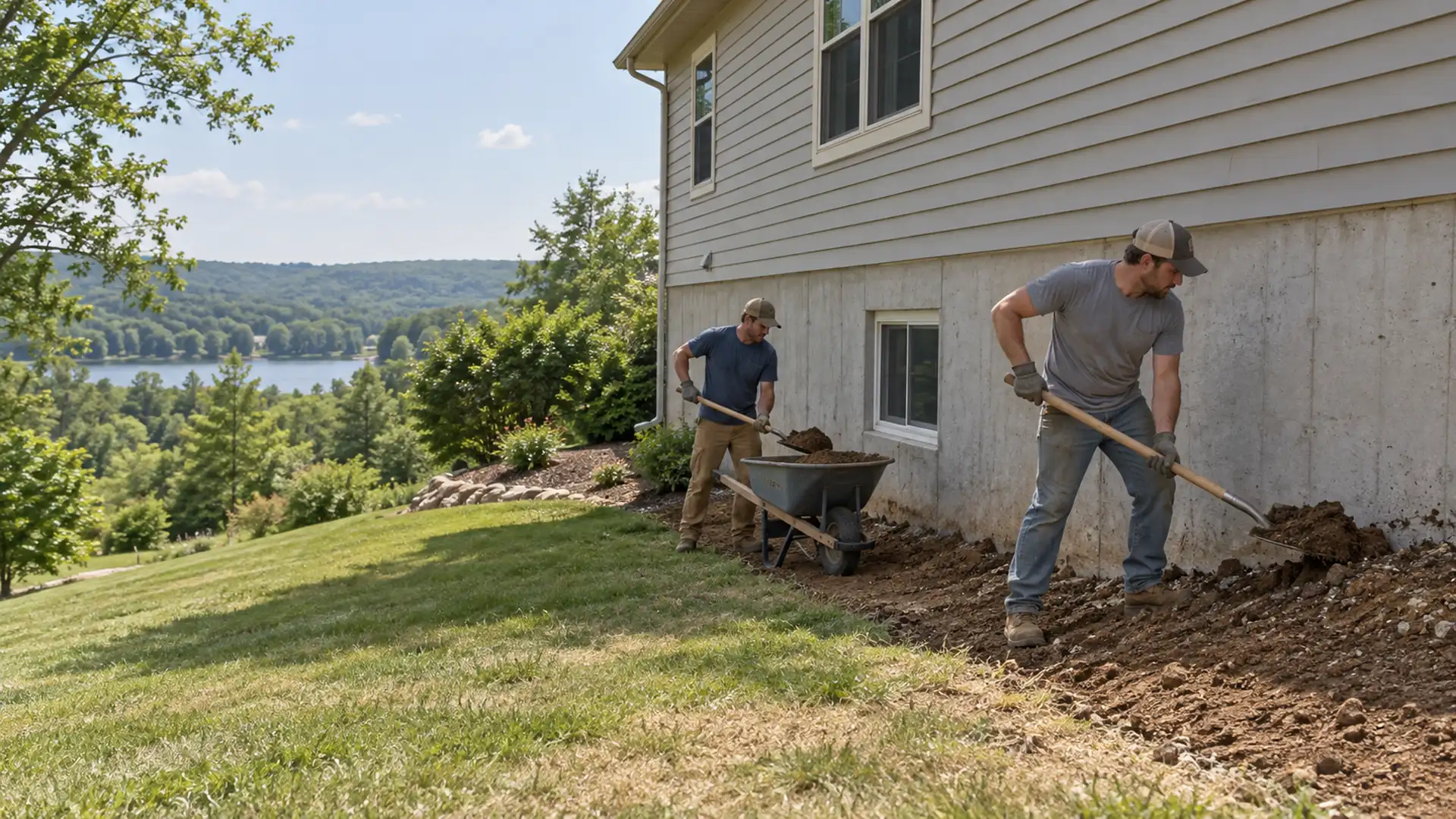
The downhill wall gets wet while the opposite side of the room stays dry. Plymouth’s rolling lots and clay-rich glacial soil put runoff against different parts of a foundation. We compare that outside slope with the leaking line before choosing wall sealing or drainage.
Call (612) 457-0860A damp line appears on the exposed lower side of the house. Rolling ground directs runoff toward particular wall sections. We compare the slope, downspouts, and concrete opening before choosing the repair.
Water follows a defined line behind the room’s finishes. Many local homes date from the 1970s through the 1990s and still face groundwater. The opening gets sealed after its water path and movement history are reviewed.
Water returns along the same wall after another surface coating. Clay-rich soil holds moisture beside the buried surface. We pair the opening repair with collection or outside drainage where water gathers.
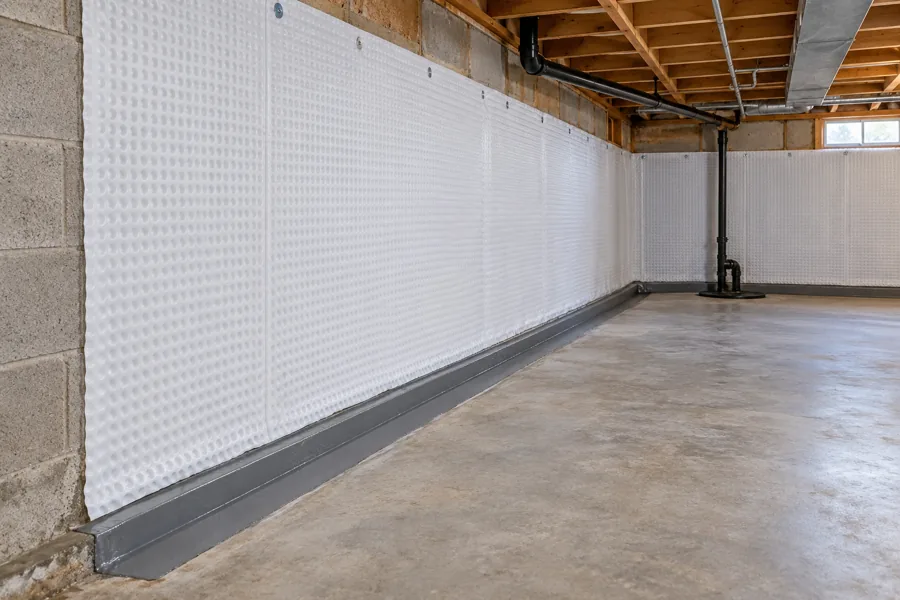
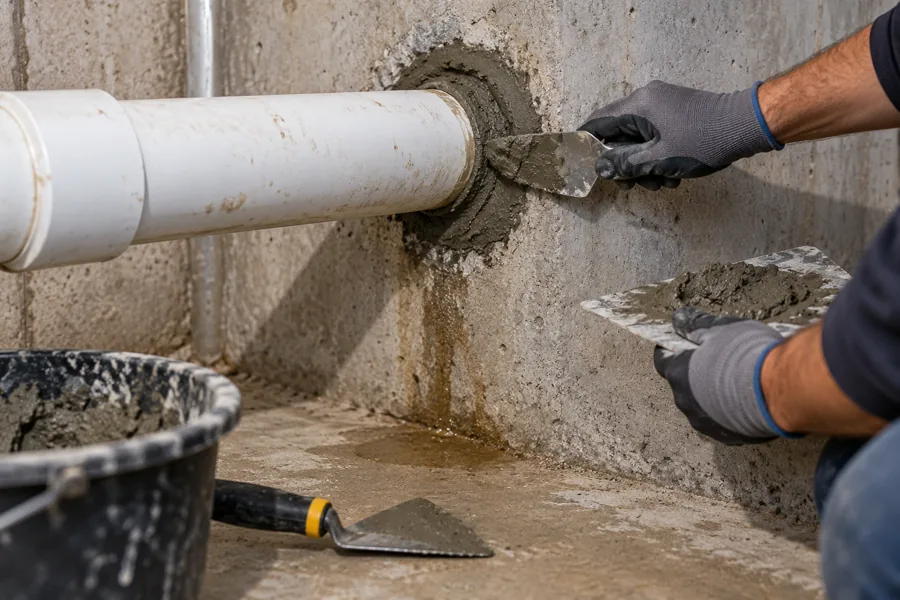
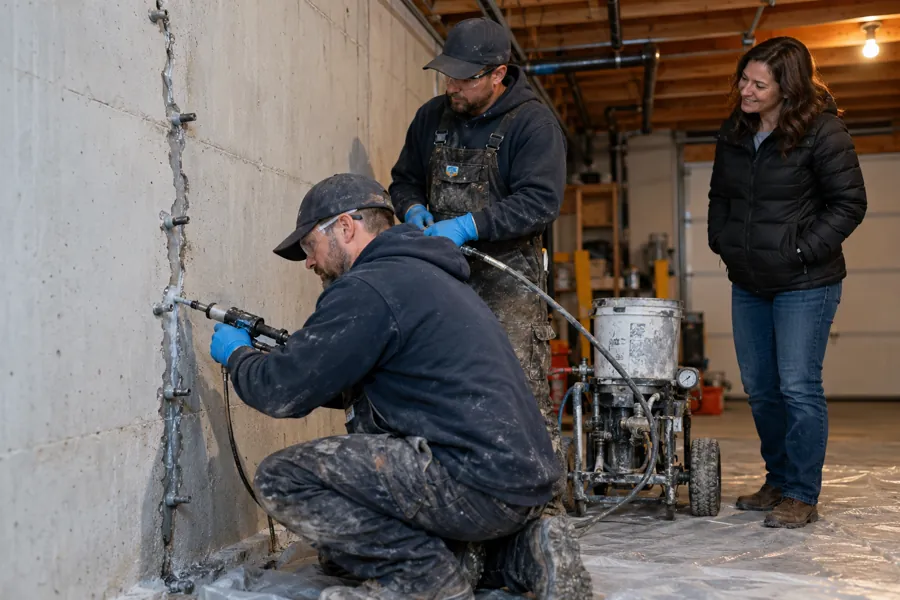
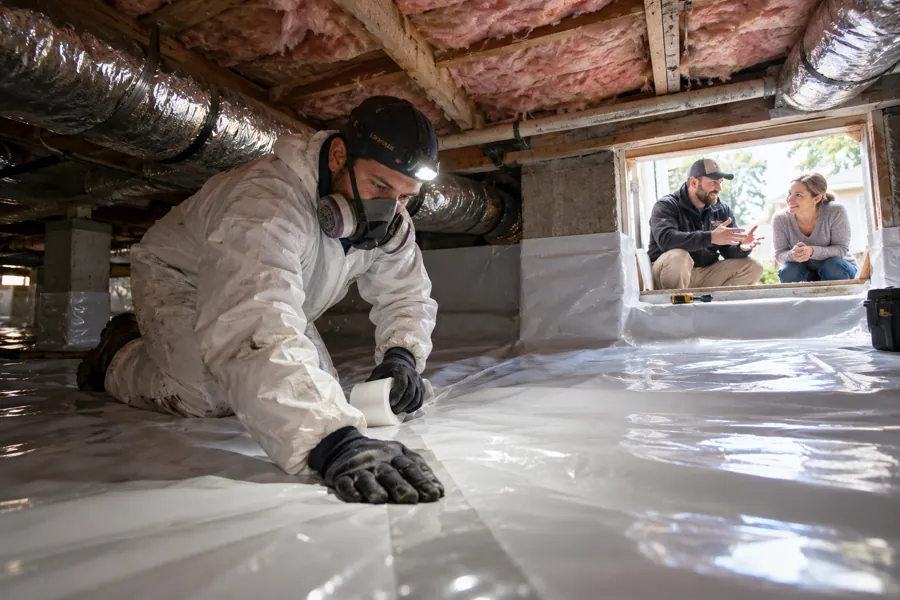
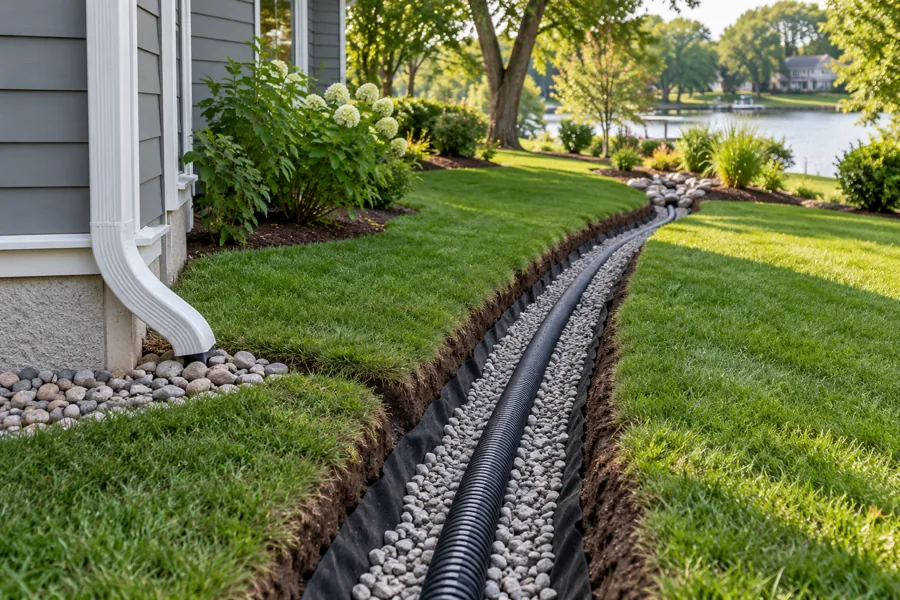
Medicine Lake and Plymouth Creek sit within a landscape of rolling lots and clay-rich glacial ground. Water moving downslope concentrates beside some wall sections before reaching others. A downspout ending on that route adds another source to the same area. We compare the yard levels with the first wet mark indoors.
When a downhill room stays damp, wet basement repair in Plymouth starts with that runoff route and the wall opening. A membrane and a drain do different jobs at the buried surface. We explain where water gets blocked and where it leaves afterward. A pipe ending in another low pocket does not finish the route.
For a defined poured-wall line, foundation crack repair in Plymouth follows the opening through the concrete. Loose paint and old patches need removal where the injection ports attach. A wider damp area across masonry calls for a broader wall treatment. We show which repair matches each wet section rather than counting stains as separate cracks.
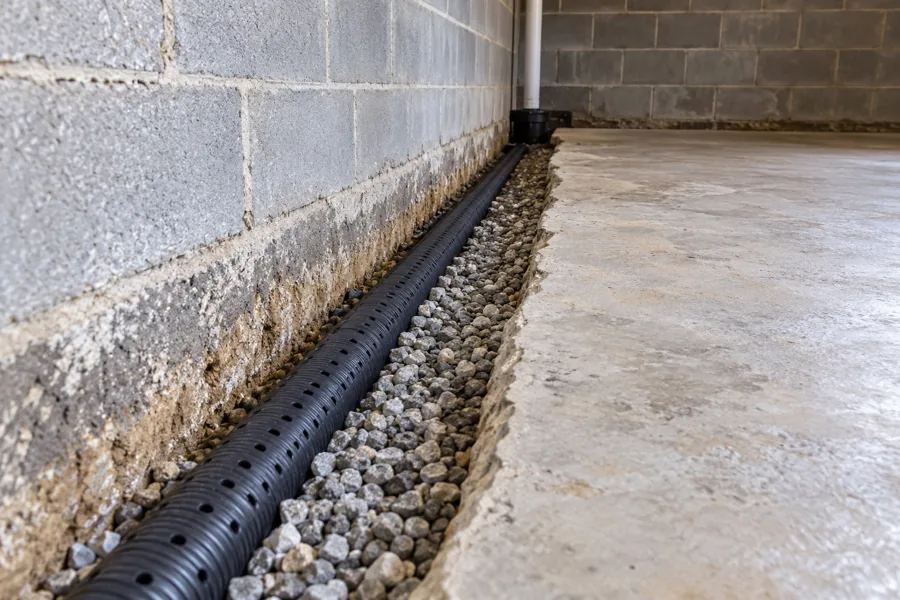
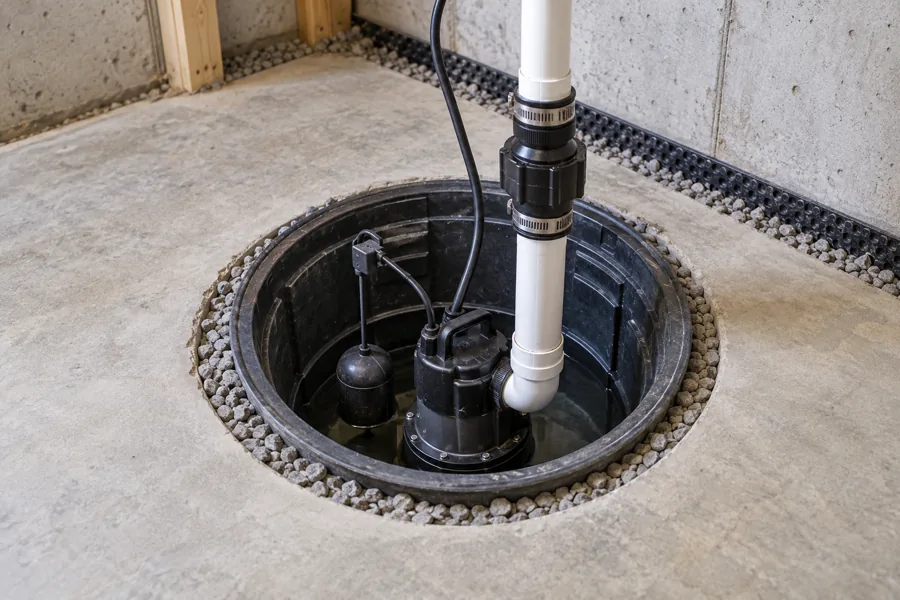
Water emerging at several floor edges brings drain tile into the same conversation. The collection route needs a basin and discharge that still work. If the basin stays full, sump pump repair in Plymouth restores that exit before new pipe relies on it. Horizontal cracks or bowing need structural review ahead of leak sealing.
Downspout extensions need a destination beyond ground that slopes straight back toward the foundation. We follow both routes before proposing a trench along the wet side. The selected outlet belongs on the plan as clearly as the pipe length. Wall seepage across a wider surface needs attention beyond one injected crack. Yard grading redirects surface runoff before it reaches the buried downhill wall.
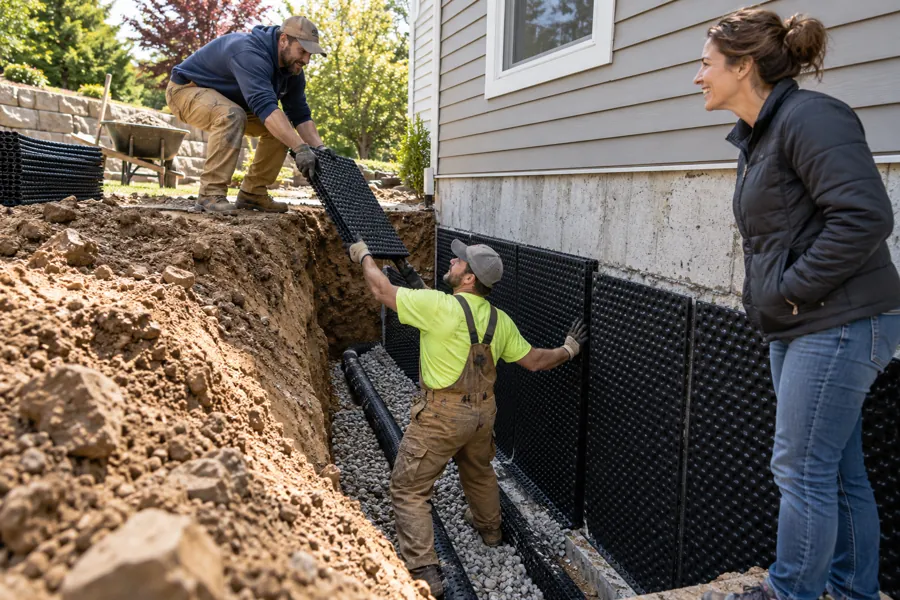
Exterior work exposes the soil-facing wall for preparation, membrane, and drainage layers. Decks and paving change the access needed on a rolling lot. Interior collection provides another route when that outside wall is difficult to reach. The written price compares the actual access and restoration needed for each approach.
In winter, photograph the visible crack before storage or new paint hides the line that later carries meltwater.
At late March–April thaw, follow runoff down the rolling lot toward the wall that first becomes wet.
During summer storms, check whether a downspout extension releases water onto ground returning toward the foundation.
Before fall leaves cover the yard, photograph the outlet and the slope beyond the downhill basement wall.
| Service | Typical Range | What Changes the Price |
|---|---|---|
| Foundation crack injection | $400–$1,000 per crack | Crack length, wall type, access |
| Exterior excavation waterproofing | $15,000–$35,000+ | Depth, landscaping, decks or driveways in the way |
| Interior drain tile | $70–$120 per linear foot | Floor removal, finished walls, number of walls |
| Window well drain and cover | $400–$2,000 | Drain tie-in, well size, cover type |
Rolling ground directs surface water toward some buried wall sections before others. Clay-rich soil keeps that moisture beside the foundation when runoff has no clear exit. We compare the yard slope with the first indoor mark and nearby downspouts. That connects wall sealing or collection to the part of the lot feeding it.
A poured-wall opening needs its water trail and movement history examined before the resin is chosen. The age of a 1970s–1990s house does not close a later leak path. We inspect old patches and expose the working length of the line. A horizontal opening or bowing goes to separate structural review first.
Grading helps when surface runoff is the route feeding water against the wall. We also inspect downspouts and any discharge returning along that slope. A defined concrete opening or groundwater beneath the slab still needs its own repair. The plan explains those remaining routes rather than assuming soil work seals every leak.
Exterior work reaches a buried wall that needs treatment on its soil-facing surface. It needs digging access and a drainage destination around the footing. Interior collection fits another route when decks, paving, or nearby structures restrict that access. We compare the wall, water path, and restoration before writing the work and price.
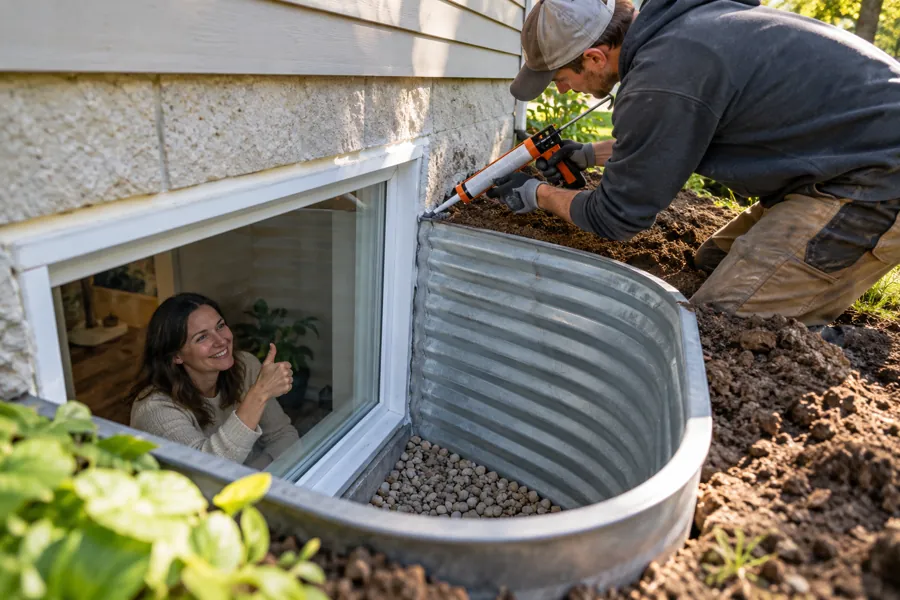
Newer finished basements bring window wells and cove joint seepage into the repair.
Wooded slopes hold runoff beside the backs of walkout basement walls.
A defined wall line gets a sealing method chosen for the exposed concrete.
Outside excavation treats the buried wall before water crosses its indoor surface.
Slope and downspout changes redirect runoff feeding the wall before sealing begins.
Describe which wall faces downhill and where the first damp line appears. We will discuss the outside route alongside the opening inside. Your written price explains the selected repair and the access needed to reach it.
Minneapolis PureSeal
Minneapolis and surrounding area
contact@waterproofingminneapolis.comMonday through Friday, 8:00 AM to 5:00 PM
Emergency calls: available 24/7