A damp strip behind finished panels
A lower panel darkens before water reaches the room. In Country Club and Morningside, aging foundations sit behind finished walls. We open that strip and seal the joint or crack.
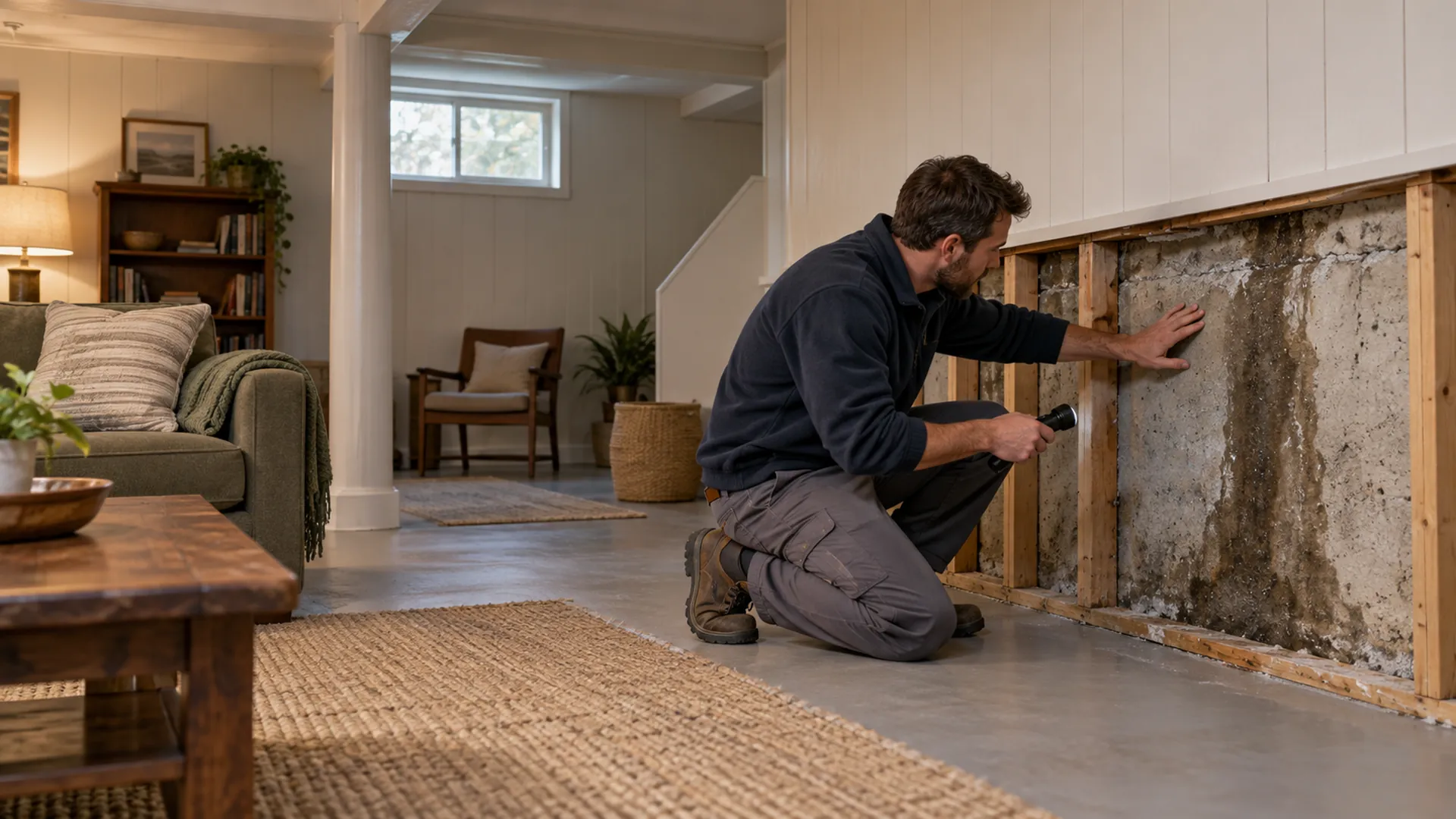
A wet floor beneath finished wall panels is a familiar problem in Edina’s older basements. Country Club, Morningside, and mid-century homes put different wall materials behind those finishes. We open the leaking area and repair the water path while keeping the rest of the room in view.
Call (612) 457-0860A lower panel darkens before water reaches the room. In Country Club and Morningside, aging foundations sit behind finished walls. We open that strip and seal the joint or crack.
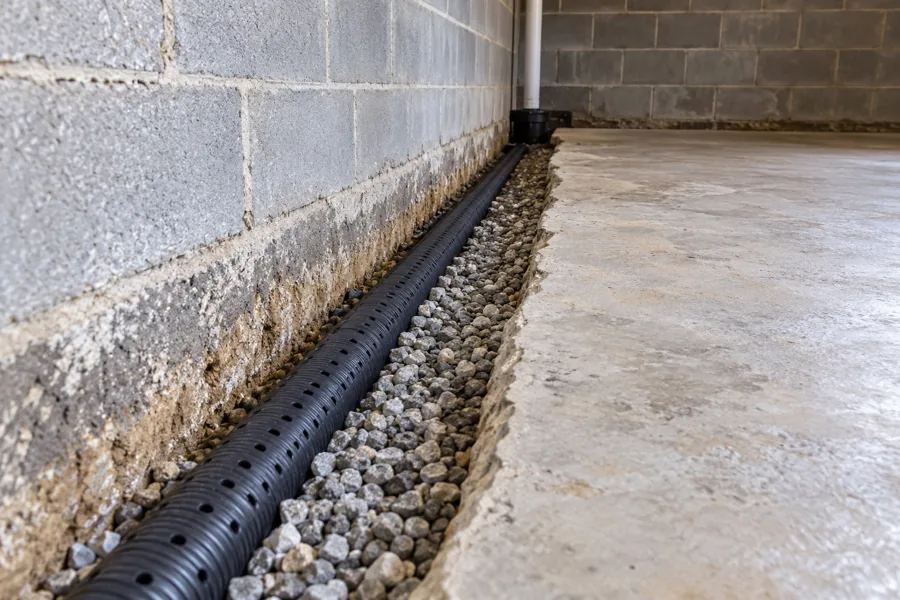
A wet line spreads along the cove joint after water gathers beside the foundation. Clay-rich soil holds that water against the buried wall. Perimeter drain tile carries the seepage toward a working sump basin.
A basement near Minnehaha Creek or Nine Mile Creek develops damp floor edges. Clay-rich ground slows the escape of water beside the foundation. We connect the wet perimeter to drainage and check the pump’s outside outlet.
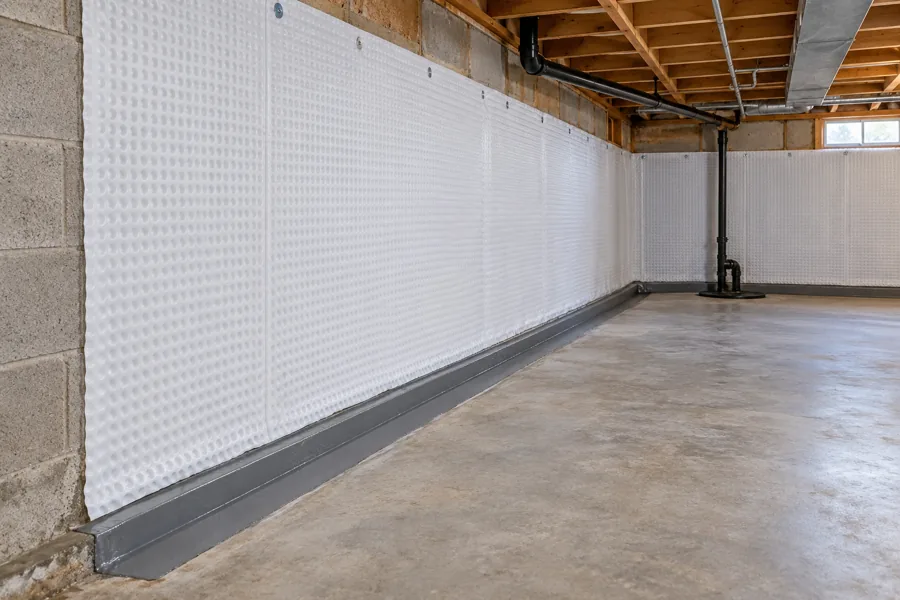
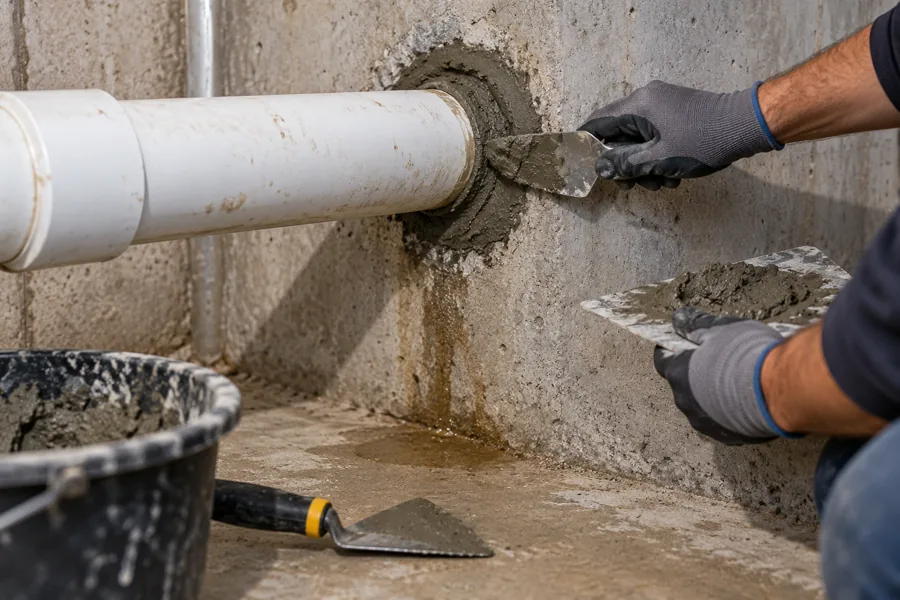
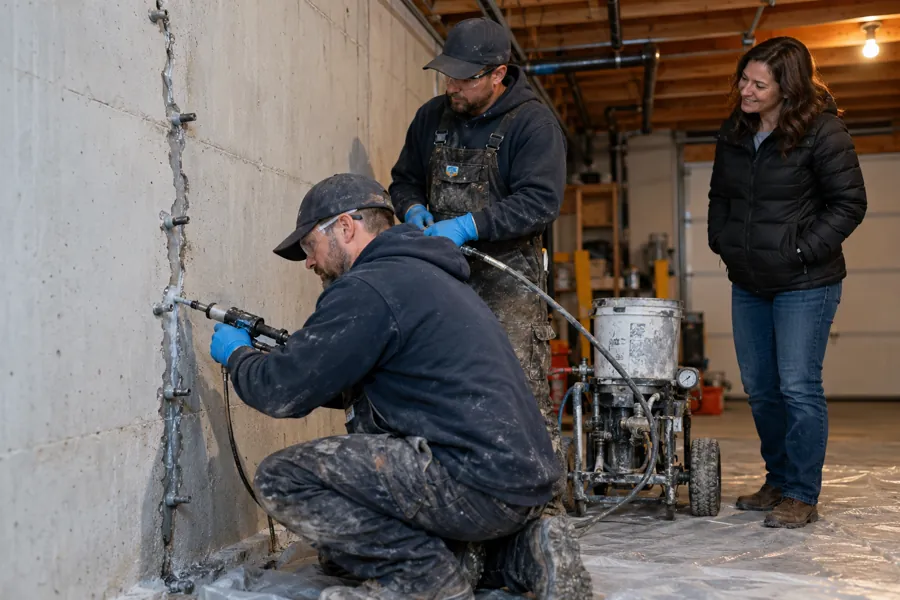
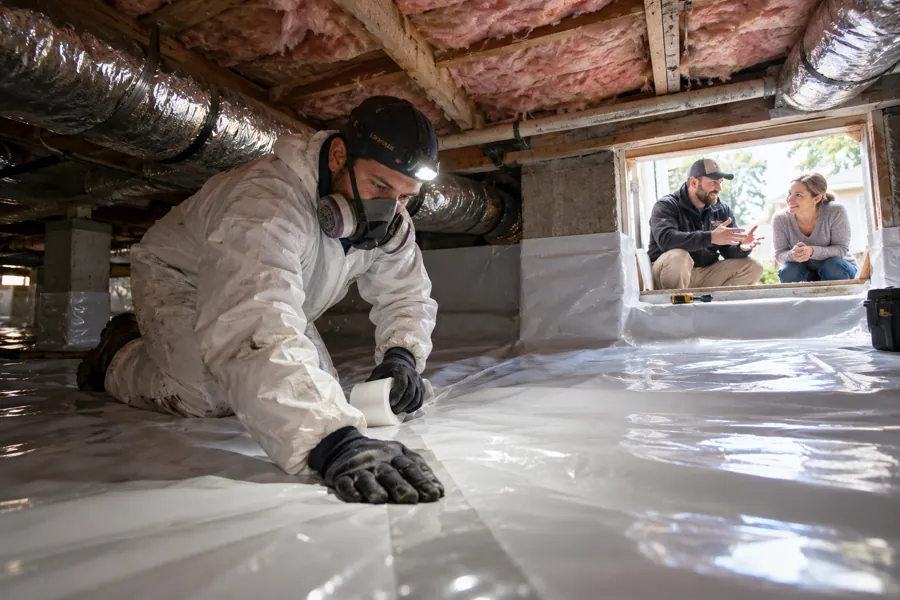
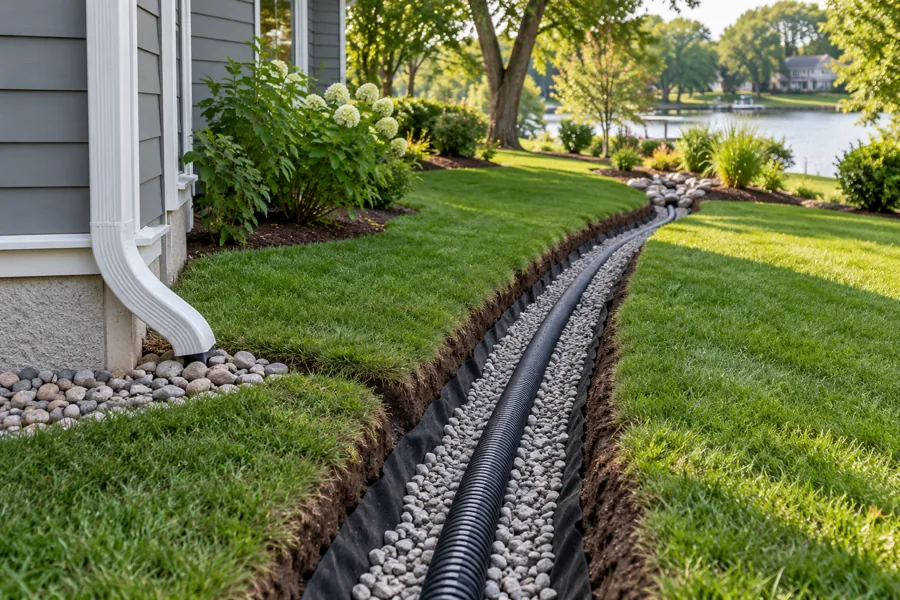
Country Club and Morningside include older homes alongside the city’s mid-century housing. Poured walls carry water through cracks and penetrations, while block adds mortar joints and hollow cores. The first stain sometimes sits below the point where water entered. We expose the leaking strip before choosing sealing or a wall drainage connection.
With flooring already getting wet, wet basement repair in Edina begins at the damp perimeter. A wider photo shows nearby pipes, panel edges, and the sump location together. Leave permanent framing in place until the access work is agreed. That keeps a local wall repair from becoming unnecessary demolition across the room.
Clay-rich soil holds water beside foundations when runoff cannot escape. Near Minnehaha Creek and Nine Mile Creek, aging basements need dry foundation walls. Worn mortar or an open concrete crack gives collected water a path inside. Sealing closes openings, while perimeter drains collect water along the wall.
For a defined leaking line, foundation crack repair in Edina seals the concrete opening. A damp block wall needs its joints and hollow cores connected to the right repair. We explain that work before covering the surface with another patch. Horizontal cracks or bowing need a separate structural review before leak sealing starts.
Flooring beside the foundation walls comes up before concrete gets cut. We explain floor patching and finish restoration before starting under an occupied room. Finished basement leaks need the hidden wall opening located before damaged finishes get replaced. Interior drain tile collects water beside the slab edge and carries it toward the sump.
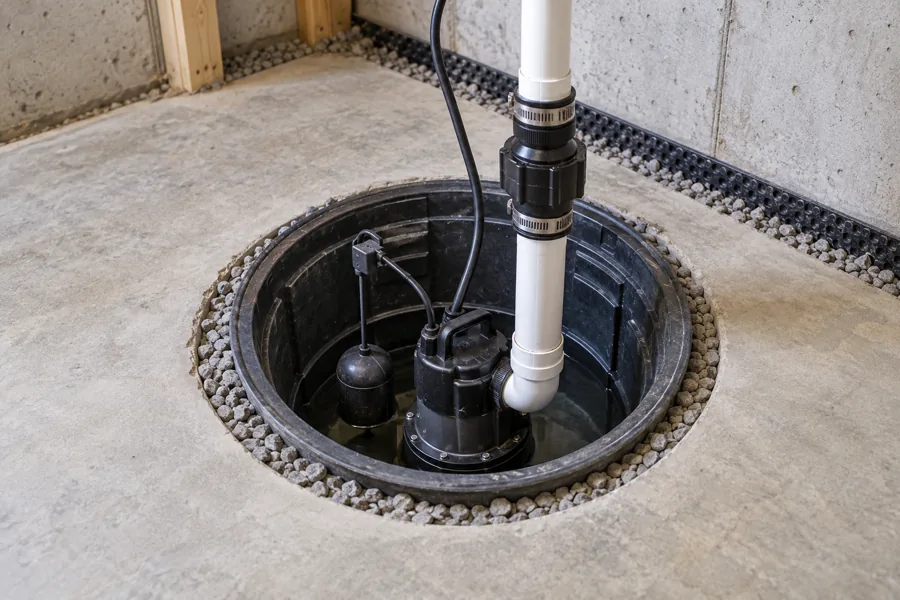
A full basin brings sump pump repair in Edina into the same job as collection work. A stuck float or blocked outlet stops newly collected water from leaving. We test both before relying on a repaired floor edge or new pipe. Sump pumps should not discharge into the sanitary sewer anywhere in the metro.
In winter, photograph damp marks beneath finished panels before warmth and drying hide the first wet edge.
During the late March–April thaw, watch the floor-wall seam behind removable storage for the first wet strip.
After summer storms, photograph the floor edge before water spreads beneath finished flooring.
In fall, move loose storage from wall edges so older masonry stays visible during the next leak.
| Service | Typical Range | What Changes the Price |
|---|---|---|
| Foundation crack injection | $400–$1,000 per crack | Crack length, wall type, access |
| Interior drain tile | $70–$120 per linear foot | Floor removal, finished walls, number of walls |
| Sump pump installation | $1,200–$2,500 | New basin vs. replacement, discharge line work |
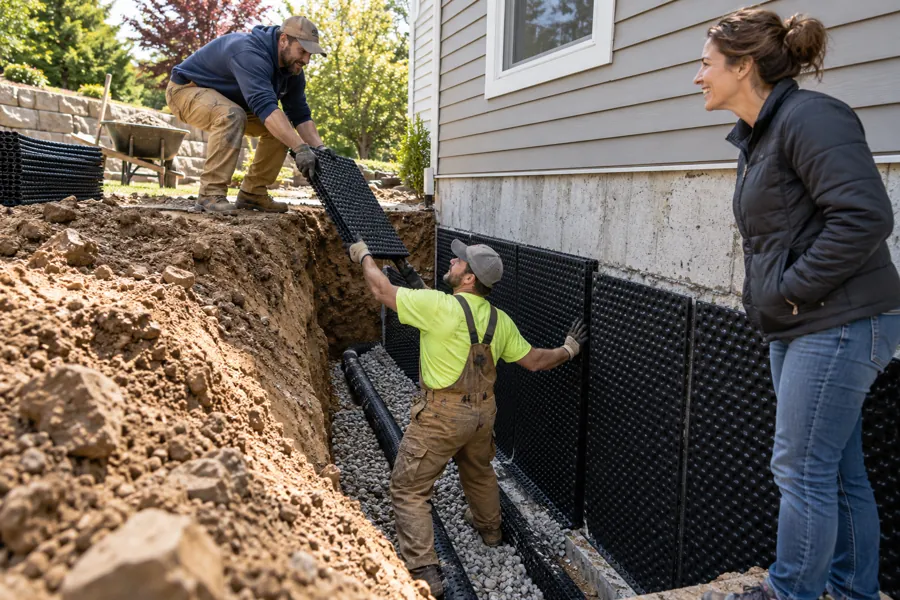
| Exterior excavation waterproofing | $15,000–$35,000+ | Depth, landscaping, decks or driveways in the way |
A finished basement does not automatically need every panel removed for leak work. We trace the visible marks and discuss targeted access to the foundation behind them. Photos along the floor edge show where that conversation should start. The written plan names the sections being opened and explains restoration before work reaches the finished room.
Homes near Minnehaha Creek face the same need to move water away from buried walls. Clay-rich soil keeps moisture beside the foundation, where cracks and joints admit it. We check the first wet edge and the pump outlet together. The repair then seals the opening or collects seepage beneath the wall instead of covering the stain.
Perimeter drain work requires opening a strip along the selected wall before pipe goes in. The existing flooring above that strip needs an access and restoration plan. We explain the concrete work and the finish work separately before cutting starts. Ask which surfaces will be patched and which restoration tasks belong in the written price.
Poured concrete and block do not carry water through the same internal spaces. A defined concrete crack differs from leaking mortar joints or water inside block cores. We trace the actual route before choosing sealing or a wall drainage connection. That keeps the repair focused on the material behind your finishes instead of assuming one treatment fits both.
Aging block walls, cove joint seepage, and leaking pipe openings bring water inside.
Runoff on bluff-side lots and cove joint seepage in ramblers are common calls.
Damp masonry across a wider wall needs its surface and collection edge treated together.
A perimeter pipe carries water from the floor-wall seam into a working sump basin.
We trace local openings around pipes and joints before sealing the place water enters.
Tell us which wall or floor edge gets wet and what covers it. We will discuss the next step for reaching the foundation without assuming the whole room needs opening. Your written plan explains the repair, access, and price before work begins.
Minneapolis PureSeal
Minneapolis and surrounding area
contact@waterproofingminneapolis.comMonday through Friday, 8:00 AM to 5:00 PM
Emergency calls: available 24/7