Wet edges with a running pump
The basin empties, but the floor stays wet beyond its reach. Snowmelt overwhelms the collection route serving the wall. We inspect the drain connection before adding pumping capacity.
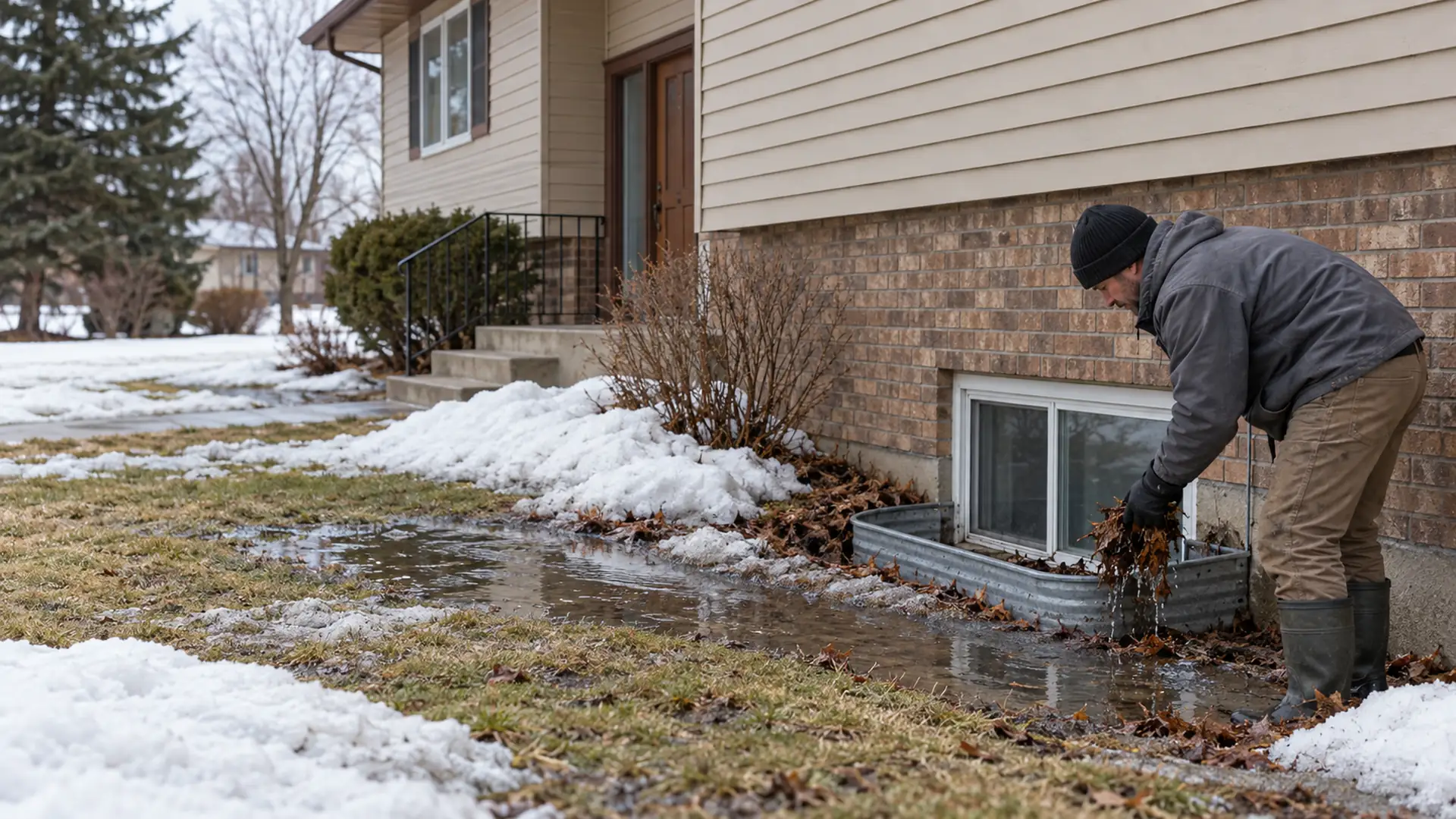
The motor is running, yet meltwater keeps appearing beside the basement wall. In Brooklyn Park, snowmelt puts the drain tile and its basin connection to work together. We find where collection falls behind before choosing more pipe or another pump.
Call (612) 457-0860The basin empties, but the floor stays wet beyond its reach. Snowmelt overwhelms the collection route serving the wall. We inspect the drain connection before adding pumping capacity.
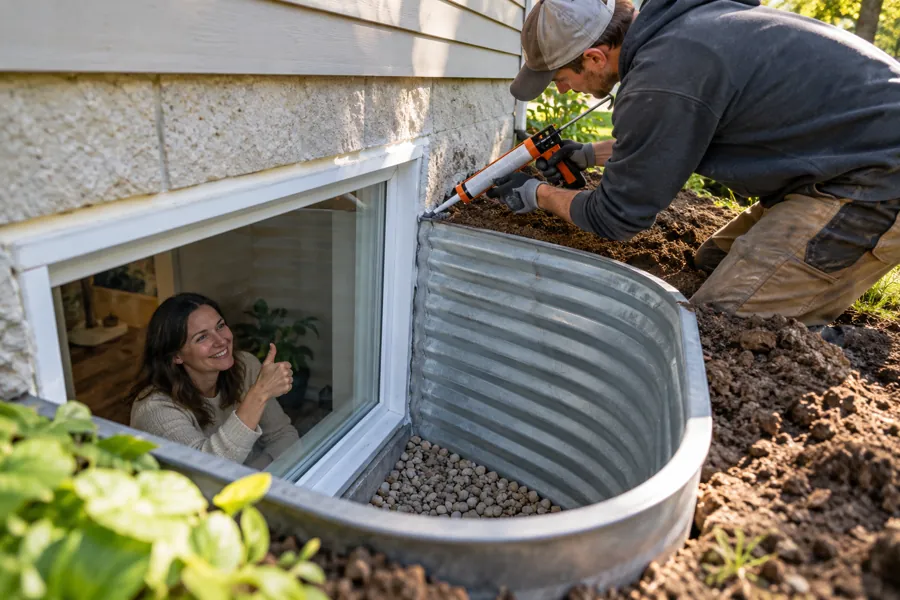
Water rises inside a basement window well as snow clears. Meltwater reaches the opening beside homes with existing below-grade windows. Restoring the well drain keeps that pool away from the frame.
Pumped water lands near the foundation and returns through sandy ground. A pump starts again soon after shutting off. We change the outside destination and check the valve for backflow.
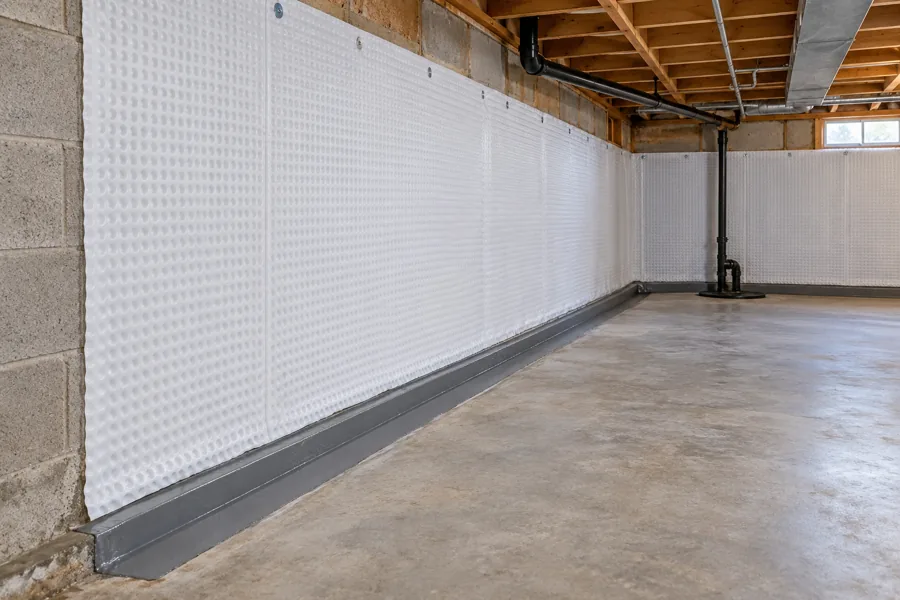
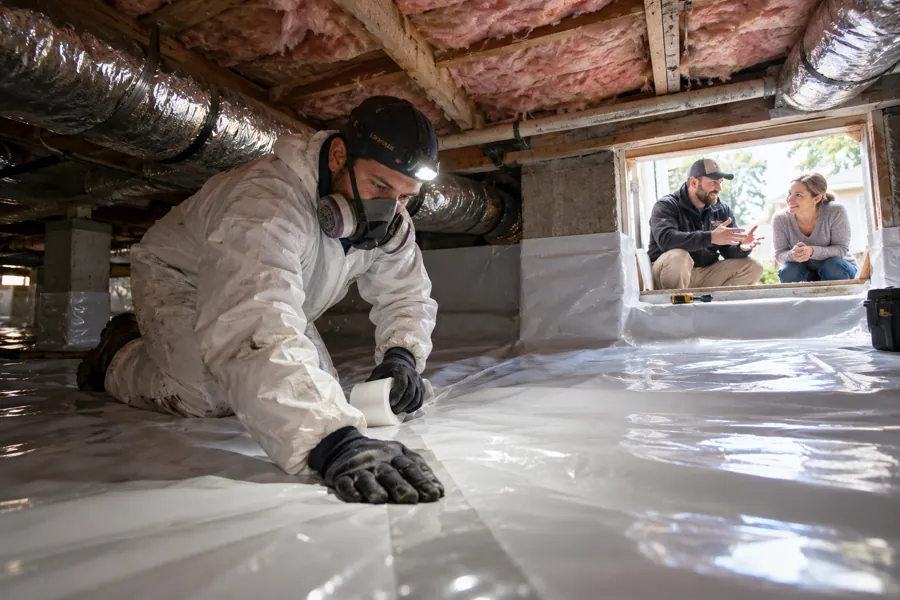
The Mississippi River’s west bank and Shingle Creek sit within the local water setting. Sandy soil near the river gives groundwater a route around buried foundations. During snowmelt, a wet floor edge calls attention to collection beneath the slab. We follow that seam into the basin rather than judging drainage from motor noise.
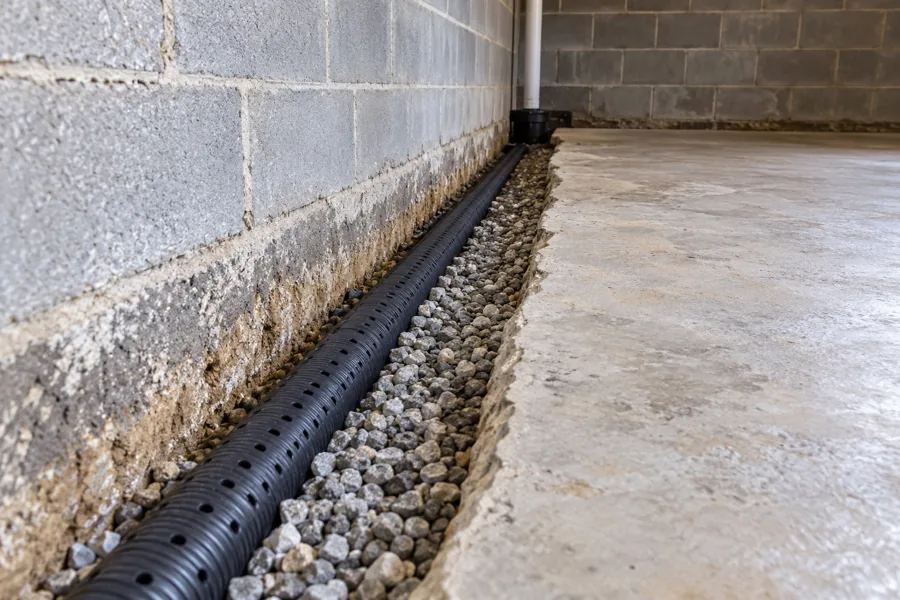
When the perimeter stays wet, wet basement repair in Brooklyn Park starts with the pipe carrying water to the sump. Silt or a broken connection interrupts that route before pumping begins. We inspect accessible sections and explain which walls need new collection. A clear connection lets the basin receive water that previously spread across the floor.
We compare the wet walls with the reachable pipe and basin entry. Repeated restrictions along several sections call for a different repair. The written plan shows what remains and where new pipe connects. Drain tile repair restores collection where an existing pipe has a reachable blockage or damaged section. Snowmelt leaks bring the basement edge and its collection capacity into the same inspection.
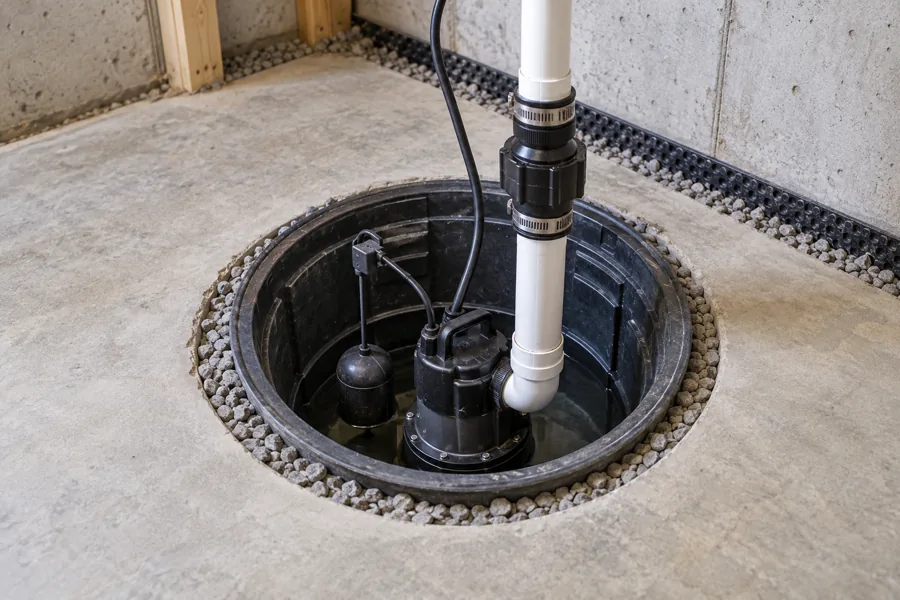
A full basin brings sump pump repair in Brooklyn Park into the same discussion. The intake, float, and discharge need to work before new collection relies on them. Outside water must land beyond ground that carries it back toward the wall. Sump discharge stays out of the sanitary sewer and goes to an approved outside outlet.
Many houses were built from the 1960s through the 1980s. Existing collection pipe sometimes remains beneath flooring added during later room changes. A wet strip below finished panels helps locate the edge needing access. We explain that opening work before cutting across a room that is otherwise dry.
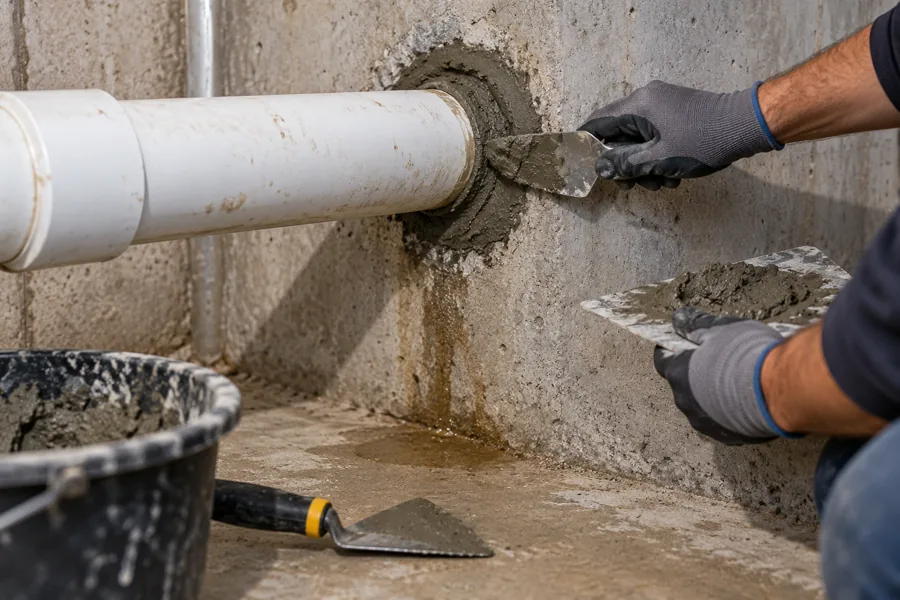
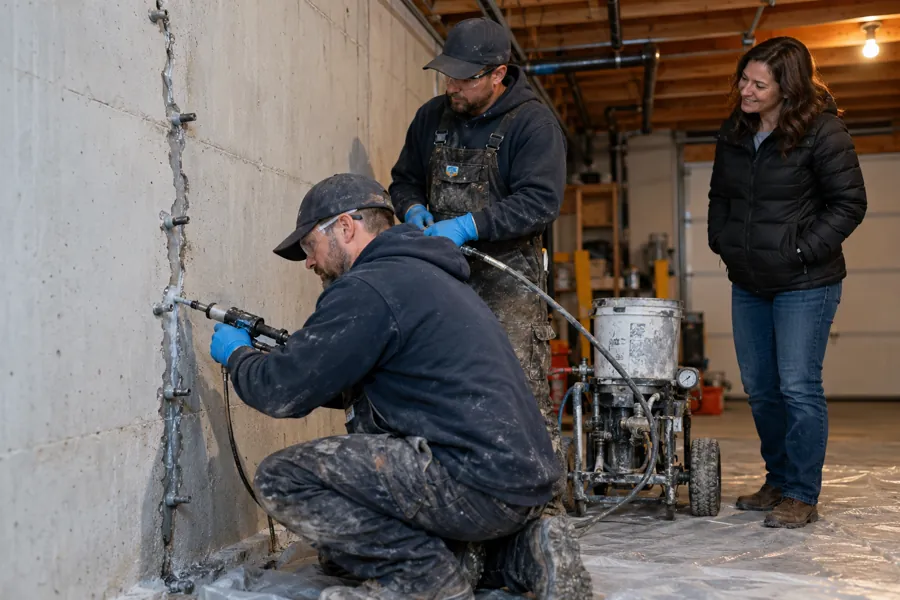
For a leaking wall opening, foundation crack repair in Brooklyn Park remains separate from perimeter collection. Water in a window well also needs an outside drain connection checked. Neither leak should be hidden inside the price for a larger motor. We describe the pipe, opening, or equipment fault each part of the work fixes.
Before a hard freeze, leave the pump controls reachable and note where the outside discharge line is exposed.
During late March–April melt, compare the wet floor edge with the water actually entering the basin.
After summer rainfall, photograph pooled water inside the window well before it drops below the frame.
In fall, remove leaves from visible well drains so snowmelt has a route away from the window.
| Service | Typical Range | What Changes the Price |
|---|---|---|
| Sump pump installation | $1,200–$2,500 | New basin vs. replacement, discharge line work |
| Battery backup sump pump | $800–$1,800 | Pump capacity, battery type |
| Interior drain tile | $70–$120 per linear foot | Floor removal, finished walls, number of walls |
| Window well drain and cover | $400–$2,000 | Drain tie-in, well size, cover type |
A single reachable obstruction invites a different repair from repeated breaks beneath several walls. We inspect the accessible pipe and compare its route with the wet perimeter. Cleaning makes sense when the remaining line still carries collected water into the basin. Widespread restrictions get shown in the replacement plan instead of hidden behind another cleaning attempt.
The pump only moves water that reaches its intake inside the basin. A blocked or incomplete perimeter connection leaves seepage outside that collection route. We compare the basin level with the wet seam along each wall. That shows whether the job needs a drain repair, pump work, or both parts connected together.
A lower window well needs its own open route for rain and meltwater. We inspect the bed, drain connection, and rim before treating water below the frame. An indoor collection system does not automatically clear a blocked well outside. The written plan explains the tie-in and any cover work as a separate part of the repair.
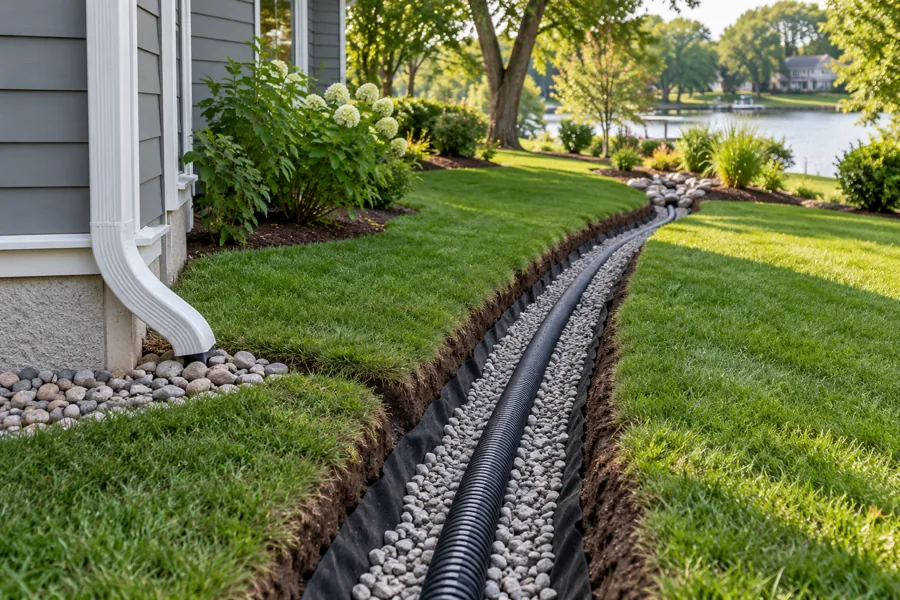
The outlet needs to reach ground that carries water away rather than back toward the foundation. We follow the slope beyond the pipe before choosing its final position. No single extension length fixes every return path across a yard. The plan names that destination and explains any buried connection needed to reach it.
Block cores and worn mortar carry moisture behind white deposits and damp paint.
Window wells and wet floor seams affect newer finished basement rooms.
A pump repair restores movement after the perimeter brings water into the basin.
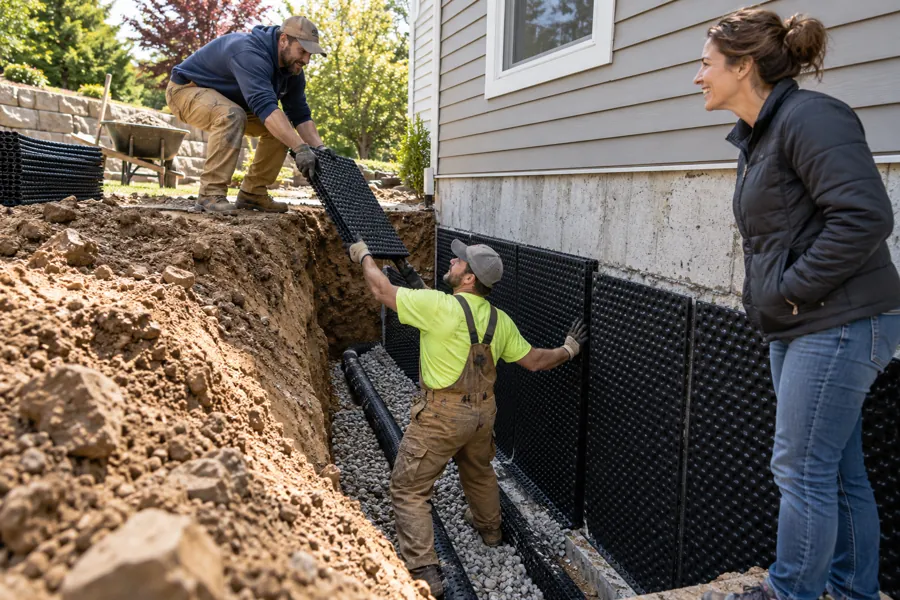
New collection pipe reaches the floor edges missed by a restricted older route.
A local seal closes the separate opening behind a persistent wall stain.
Tell us which walls stay wet while the pump is running. We will discuss the connection carrying water between those edges and the basin. The written repair plan explains the collection route and its outside outlet.
Minneapolis PureSeal
Minneapolis and surrounding area
contact@waterproofingminneapolis.comMonday through Friday, 8:00 AM to 5:00 PM
Emergency calls: available 24/7