The pipe freezes outside
The pump runs but water rises in the basin during a freeze. An icy discharge stops water leaving a basement served by aging equipment. We thaw the restriction and repair the exposed route.
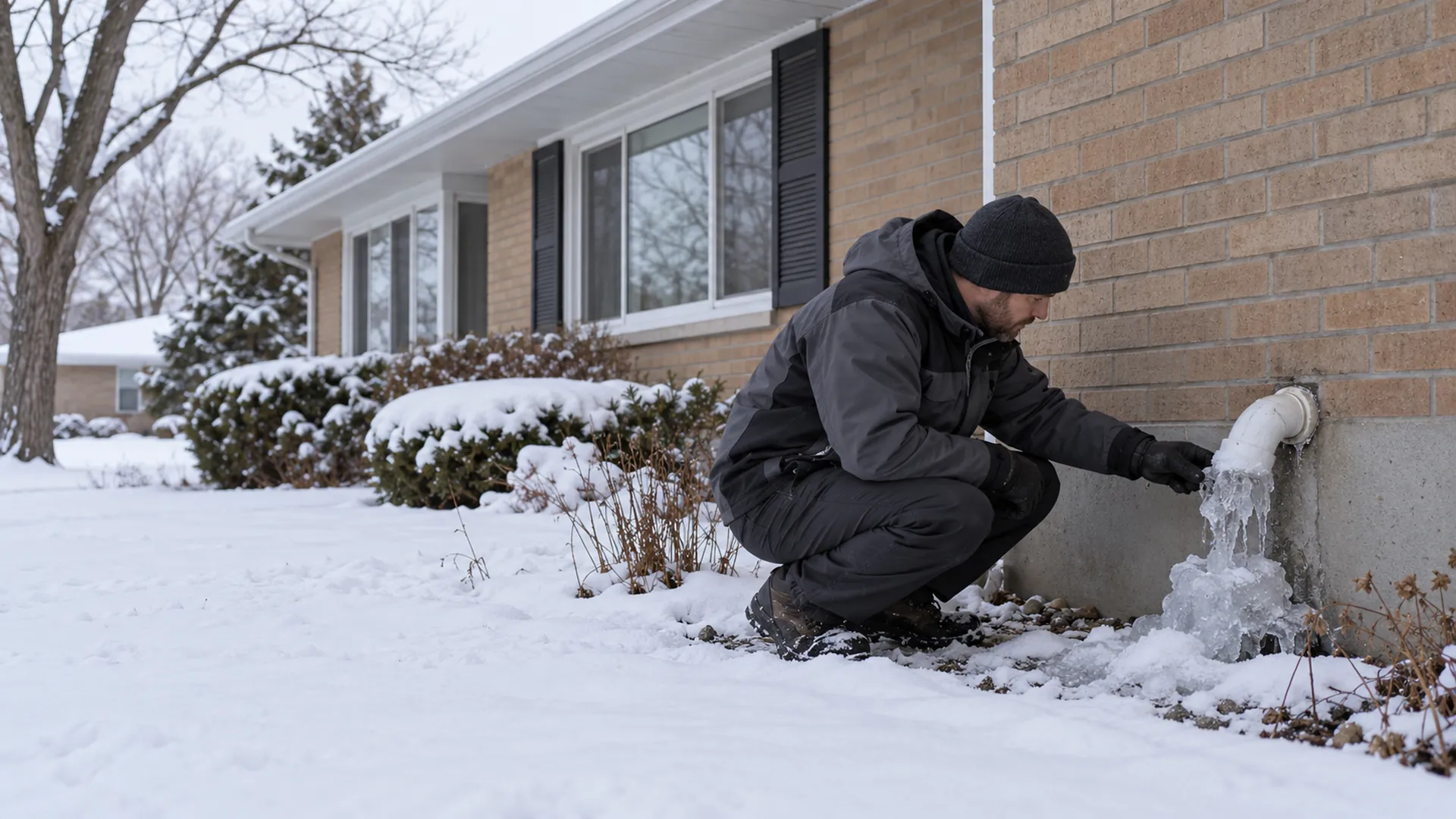
A humming pump beside an icy outside pipe needs attention at both ends of the line. Fridley’s sandy river-terrace ground keeps the discharge route central to a winter repair. We check the outlet, valve, and aging equipment before replacing the motor.
Call (612) 457-0860The pump runs but water rises in the basin during a freeze. An icy discharge stops water leaving a basement served by aging equipment. We thaw the restriction and repair the exposed route.
The basin rises while an older pump stays silent. Many local houses date from the 1950s and 1960s, with equipment changed at different times. The float and motor get tested separately before replacement is proposed.
Paint or an exterior coating leaves a wet mark on the wall indoors. Sandy terrace ground carries water toward openings around the foundation. We separate the leaking opening from the pump and outlet problem.
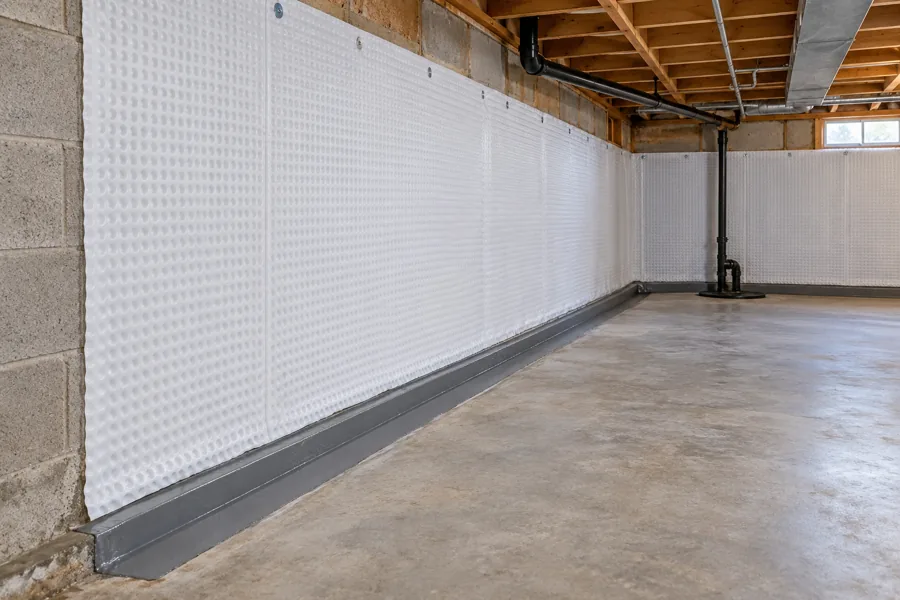
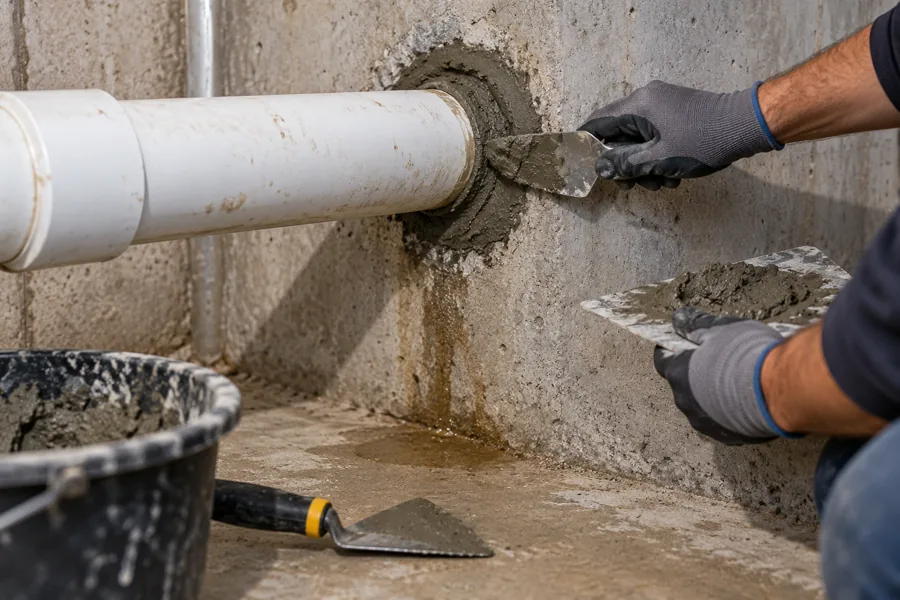
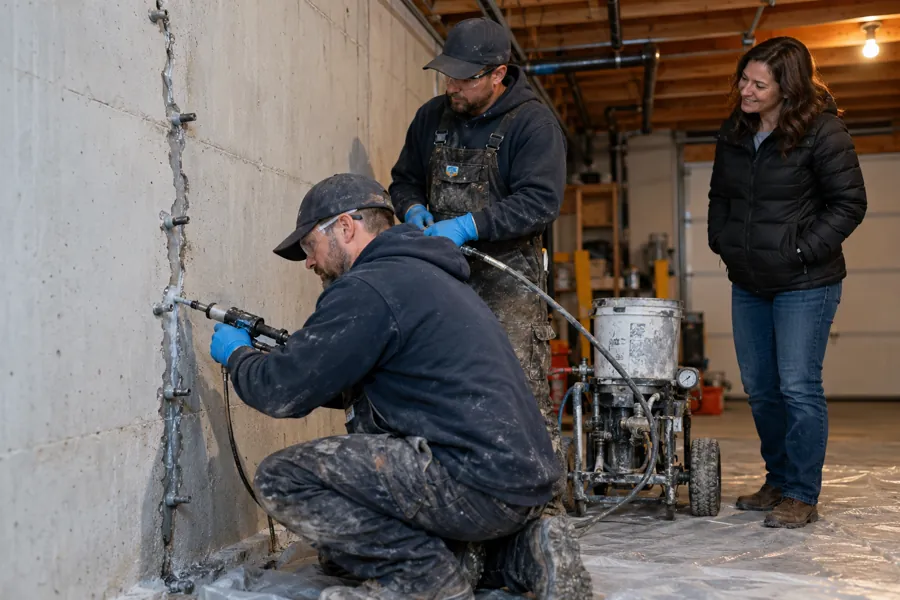
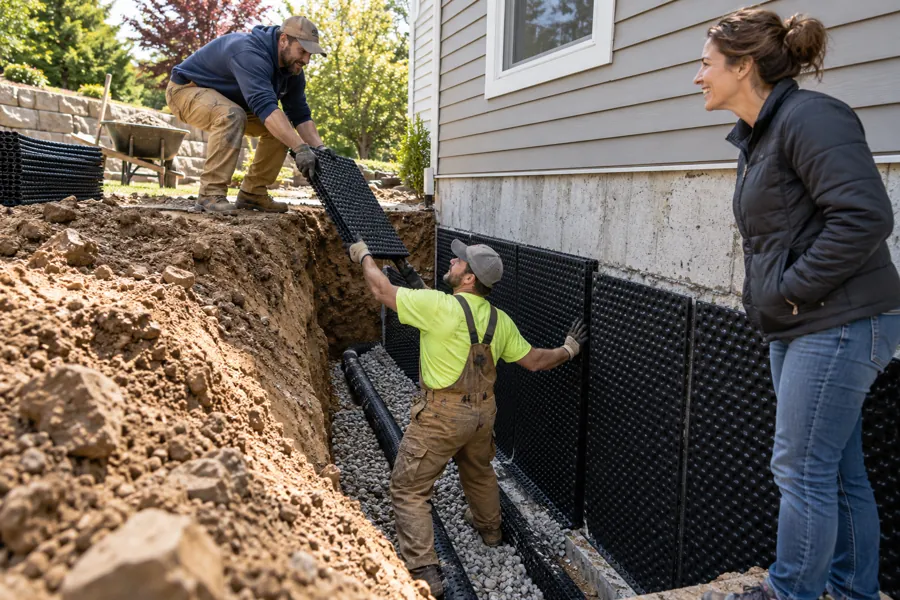
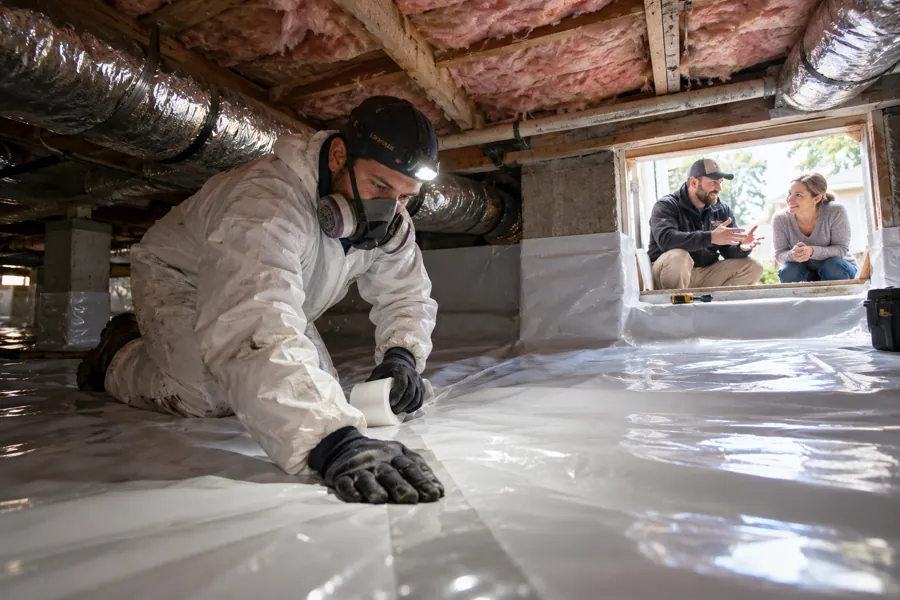
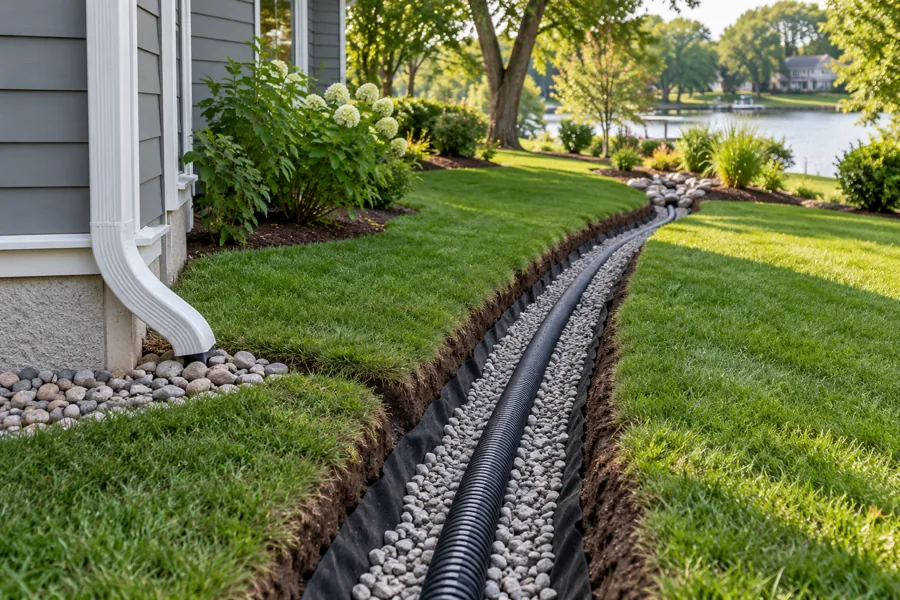
The city lies on the Mississippi River’s east bank beside Rice Creek. Sandy river terrace soils make the outside water route part of a basement repair. A discharge that empties into ground returning toward the wall feeds the same basin again. We inspect that destination alongside the wet marks indoors.
When a pump runs without lowering the basin, sump pump repair in Fridley starts beyond the motor. Ice, a stuck valve, or a restricted pipe blocks an otherwise working unit. We follow the full line and test water movement through it. Clearing the restriction comes before deciding which equipment needs changing.
A frozen outside section needs controlled thawing and a change to the vulnerable route. We inspect the pipe after it opens for damage or returning water. An outlet exposed to the next freeze will repeat the blockage. The plan explains rerouting or insulation rather than simply fitting another motor indoors. Frozen discharge lines block the exit even when the pump inside still runs. Crack sealing closes a defined wall opening after its movement history gets reviewed.
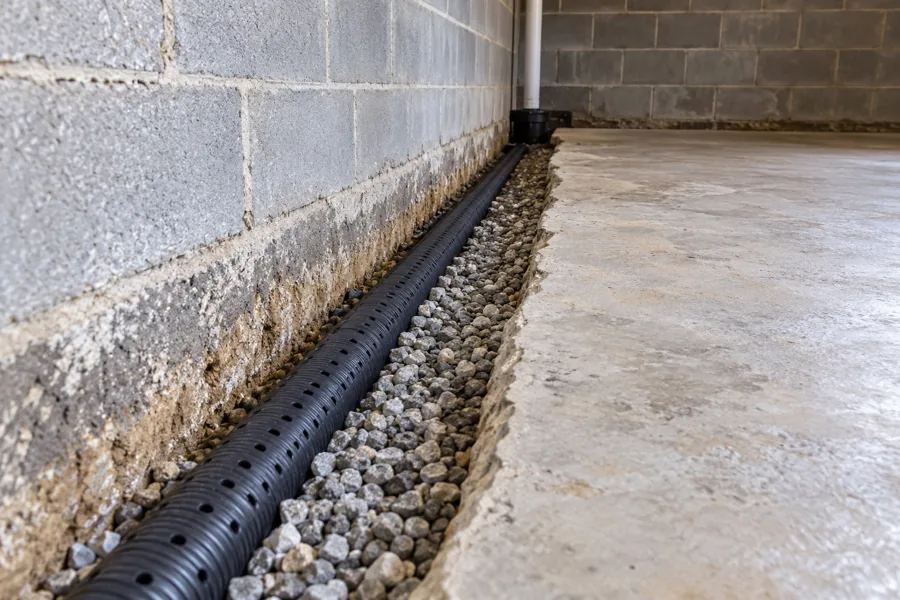
If water also crosses the floor seam, wet basement repair in Fridley includes the collection connection. Drain tile must deliver that seepage into the basin before the pump can move it. A clear outlet does not seal a separate leaking wall. Sump water must leave through the yard or another approved destination, outside the sanitary sewer.
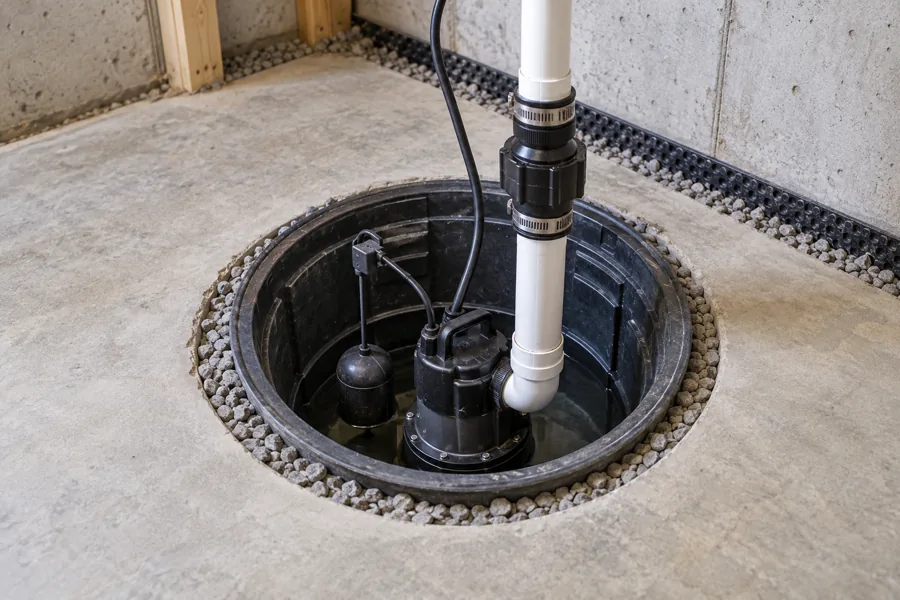
Many homes here date from the 1950s and 1960s. An old basin sometimes stays in place through several pump changes. We examine the lid, float clearance, and pipe connection before reusing it. A replacement motor needs room to operate without its switch catching the wall or cord.
A wet line beneath an earlier wall coating needs its own repair discussion. For a defined concrete opening, foundation crack repair in Fridley closes the leak through the wall. Broader damp masonry calls for attention to joints and wall collection. Tell us what was patched before and where water has returned.
When an outside pipe freezes, note whether the motor continues running without lowering the water in the basin.
During the late March–April thaw, inspect visible discharge joints for leaks after winter ice has cleared.
After a summer storm, listen for rapid restarts that send attention toward the check valve and returning flow.
In fall, record the exposed pipe route before leaves and storage hide connections beside the foundation.
| Service | Typical Range | What Changes the Price |
|---|---|---|
| Sump pump installation | $1,200–$2,500 | New basin vs. replacement, discharge line work |
| Battery backup sump pump | $800–$1,800 | Pump capacity, battery type |
| Interior drain tile | $70–$120 per linear foot | Floor removal, finished walls, number of walls |
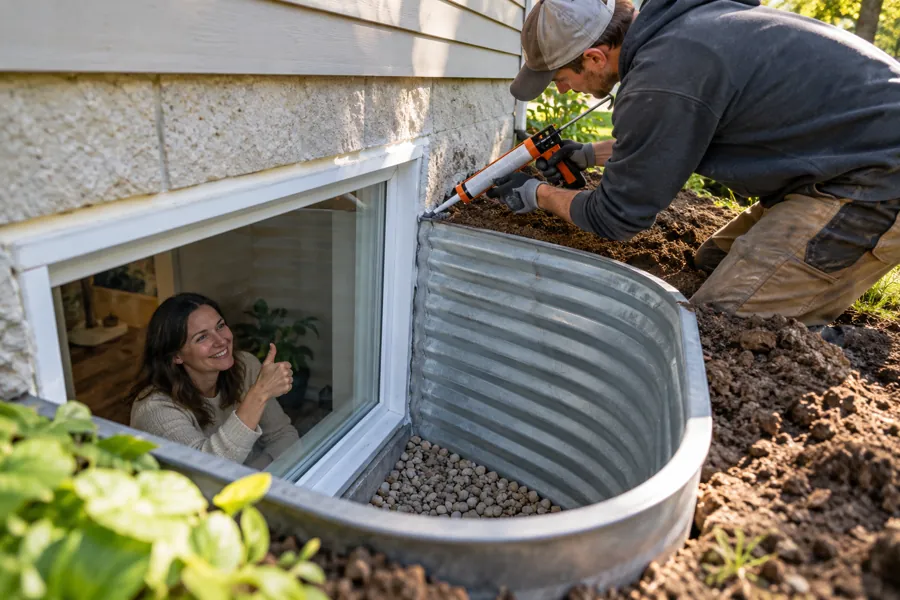
| Window well drain and cover | $400–$2,000 | Drain tie-in, well size, cover type |
The exposed pipe needs inspection after water starts moving again through the outlet. We look for damaged joints and places where water remains before refreezing. The next repair changes that vulnerable route or adds insulation where useful. A working pump then gets tested through a complete cycle instead of stopping at the thaw itself.
An older basin stays usable when its size and connections let the replacement operate properly. We check float travel, pipe positions, and the collection entry before reusing it. A cramped or damaged basin needs different work from a motor change. The written price explains any floor opening needed for a new basin.
An earlier coating does not close every later crack or penetration through the wall. We compare the indoor wet line with the wall material and previous repairs. A distinct opening calls for sealing that path rather than repainting the whole surface. Water below several floor edges brings the collection system into the plan separately.
From a dry position, note the basin level and whether the pump restarts. Look outside only where footing is safe to see whether discharge actually leaves. A running motor with no outlet flow points toward a restriction along the route. We use those observations to separate power trouble from a frozen pipe or failed component.
Low wetland-side ground keeps some sumps working well beyond fresh rainfall.
Damp block walls and white deposits appear in many mid-century basements.
Pump controls and outside restrictions need testing as one connected water route.
Perimeter seepage needs a collection connection before it reaches the sump equipment.
An isolated pipe opening or wet wall line gets a separate sealing repair.
Describe the freeze, the pump sound, and the level left in the basin. We will talk through the outside pipe before proposing another motor. The work and price explain both ends of that water route.
Minneapolis PureSeal
Minneapolis and surrounding area
contact@waterproofingminneapolis.comMonday through Friday, 8:00 AM to 5:00 PM
Emergency calls: available 24/7